 By Lauren Holland
Updated November 2026
Choosing an rv power converter inverter charger comes down to three things: how much battery charging current you need, whether you need AC power while off the grid, and how well the unit fits your battery bank and wiring. This list compares six models across those needs. Selection was based on published specifications, brand reputation for RV and camper use, and patterns owners commonly report about charging behavior, noise and installation. Nothing here was personally bench-tested, so check the manufacturer’s manual before wiring anything.
Our top picks at a glance
- 1
 TOP CHOICEBest overallPD9280 RV Power Converter/Inverter/Charger 12V 80 AmpView on Amazon
- 2
 TOP CHOICEBest for larger battery banksPD9260C 60Amp RV Inverter ChargerView on Amazon
- 3
 TOP CHOICEBest budget pickWAVLINK 55 Amp RV Power ConverterView on Amazon
- 4
 Best for lithium-compatible chargingVEVOR RV Power Converter, 55 AmpView on Amazon
- 5
 Best for high-amp charging on a budgetWAVLINK 80A RV Power ConverterView on Amazon
- 6
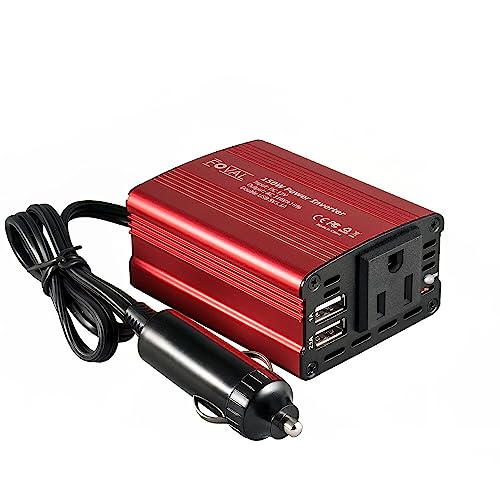 Best for small AC loads from a 12V batteryFOVAL 150W Car Power InverterView on Amazon
Our Top Picks
Quick Comparison
| Product | Best for | Key feature |
|---|---|---|
| PD9280 RV Power Converter/Inverter/Charger 12V 80 Amp | Overall RV charging and power | 80-amp output with built-in charge wizard |
| WAVLINK 55 Amp RV Power Converter | Budget-conscious campers | Three smart charging modes |
| PD9260C 60Amp RV Inverter Charger | Mid-size battery banks | 60-amp intelligent lead-acid charging |
| VEVOR RV Power Converter, 55 Amp | Lithium-compatible setups | 13V–16.5V adjustable operating range |
| WAVLINK 80A RV Power Converter | Fast recharging | 80-amp multi-stage charging |
| FOVAL 150W Car Power Inverter | Running small 110V devices | 150W 12V-to-110V output with dual USB |
PD9280 RV Power Converter/Inverter/Charger 12V 80 Amp
PD9280 RV Power Converter/Inverter/Charger 12V 80 Amp | Built-in Charge Wizard, Compatible with Progressive Dynamics PD9280AV, 9200 Series Converter/Charger, For Camper Caravans
Best for: Overall RV charging and power
This is a fit for campers with a larger house battery bank who want one unit to handle 12V DC loads and battery charging from shore power. It is positioned as a direct upgrade for the Progressive Dynamics 9200 series.
Key specs
- 80-amp rated output
- 12V DC system
- Built-in charge wizard
- Compatible with PD9280AV and 9200 series converter/charger installations
Pros
- High output suits large battery banks
- Built-in charge wizard simplifies setup
- Drop-in fit for many existing 9200-series mounts
Cons
- Higher amperage means more heat and a larger wiring requirement
- Fit should be confirmed against your existing converter’s dimensions
Bottom line: A strong first choice for owners replacing a worn 9200-series unit who want more charging current.
View on AmazonWAVLINK 55 Amp RV Power Converter
WAVLINK 55 Amp RV Power Converter, 120V AC to 12V DC Battery Charger | 3 Smart Charging Modes, 13V-16.5V Adjustable Range, Multi-Stage Charging
Best for: Budget-conscious campers
Suited to weekend campers and owners of smaller RVs with a modest battery bank who want reliable 55-amp charging without premium pricing.
Key specs
- 55-amp output
- 120V AC input to 12V DC output
- 13V–16.5V adjustable range
- Three smart charging modes, multi-stage
Pros
- Adjustable voltage range covers common battery chemistries
- Multi-stage charging helps protect batteries
- Compact footprint for tight compartments
Cons
- Lower output means slower recharge on large banks
- Owners often recommend checking the included wiring gauge
Bottom line: A sensible budget pick for campers with a single group-size battery.
View on AmazonPD9260C 60Amp RV Inverter Charger
PD9260C 60Amp RV Inverter Charger, Intelligent Lead Acid Battery Charger | PD9260C 60Amp RV Inverter Charger, Compatible With PD9260CV and PD9200 Series for Camper Caravans
Best for: Mid-size battery banks
A good middle option for owners who want more charging current than a 55-amp unit but do not need the full 80-amp capacity.
Key specs
- 60-amp rated output
- Intelligent lead-acid battery charging
- Compatible with PD9260CV and PD9200 series installations
Pros
- Good balance of output and heat
- Designed as a retrofit for Progressive Dynamics mounts
- Intelligent charging profile suits lead-acid batteries
Cons
- Lead-acid focus means lithium owners should confirm compatibility
- Still requires adequate wiring for full output
Bottom line: Best for owners with lead-acid batteries who want more than 55 amps without going to 80.
View on AmazonVEVOR RV Power Converter, 55 Amp
VEVOR RV Power Converter, 55 Amp, 110V AC to 12V DC RV Converter Battery Charger, Multi Stage Smart Charging, 13V to 16.5V Operating Range, Compatible with Lithium & Lead Acid Battery, for Camper
Best for: Lithium-compatible charging
Aimed at campers running lithium or mixed battery setups who need an adjustable output voltage.
Key specs
- 55-amp output
- 110V AC to 12V DC
- 13V–16.5V operating range
- Multi-stage smart charging
Pros
- Wide adjustable voltage range
- Listed as compatible with both lithium and lead-acid
- Multi-stage charging profile
Cons
- Owners often recommend setting voltage manually for lithium packs
- Build quality reports vary, so inspect terminals on arrival
Bottom line: A practical pick for lithium owners who want an adjustable 55-amp charger.
View on AmazonWAVLINK 80A RV Power Converter
WAVLINK 80A RV Power Converter 120V AC to 12V DC Battery Charger | 3 Smart Charging Modes, 13V-16.5V Adjustable Range, Multi-Stage Charging
Best for: Fast recharging
For campers who want to recharge a large bank quickly during a short hookup stop and are prepared to size wiring accordingly.
Key specs
- 80-amp output
- 120V AC to 12V DC
- 13V–16.5V adjustable range
- Three smart charging modes
Pros
- High charging current shortens recharge time
- Same adjustable range and modes as the 55-amp model
- Good value for the output class
Cons
- High output produces more heat and needs ventilation
- Requires heavier-gauge wiring than smaller units
Bottom line: Pick this if fast recharge matters more than compact size.
View on AmazonFOVAL 150W Car Power Inverter
FOVAL 150W Car Power Inverter 12V DC to 110V AC Converter Vehicle Adapter Plug Outlet with 3.1A Dual USB Car Charger for Laptop Computer (Classic Red)
Best for: Running small 110V devices
This is an inverter, not a charger. It suits campers who need to run a laptop, phone chargers or small appliances from a 12V battery.
Key specs
- 150W continuous output (as listed)
- 12V DC to 110V AC
- Dual 3.1A USB ports
Pros
- Low-cost way to add AC outlets
- Includes USB charging
- Simple plug-in setup
Cons
- 150W is too small for air conditioners or microwaves
- Plug-in units draw heavily on 12V and can drain batteries quickly
Bottom line: Useful for light AC loads, not a substitute for a battery charger.
View on AmazonBuying Guide
Charging amperage
Match the output to your battery bank. A common rule of thumb is to charge at roughly 10–20 percent of battery amp-hour capacity. Confirm the figure in your battery manufacturer’s documentation.
Good picks for this: PD9280 RV Power Converter/Inverter/Charger 12V 80 Amp, WAVLINK 55 Amp RV Power Converter
Battery chemistry compatibility
Lead-acid and lithium batteries use different charge profiles. Check whether the unit lists lithium support and whether its voltage range is adjustable.
Good picks for this: VEVOR RV Power Converter, 55 Amp, PD9260C 60Amp RV Inverter Charger
Output voltage and adjustability
Look for a 13V–16.5V adjustable range if you use non-standard batteries. Fixed outputs suit simpler lead-acid setups.
Good picks for this: WAVLINK 80A RV Power Converter, VEVOR RV Power Converter, 55 Amp
Physical size and mounting fit
Measure your compartment before buying. Units designed as retrofits for Progressive Dynamics 9200-series mounts simplify swaps.
Good picks for this: PD9280 RV Power Converter/Inverter/Charger 12V 80 Amp, PD9260C 60Amp RV Inverter Charger
Wiring and fusing
Higher amperage requires heavier wire and proper fusing. Undersized cable is a common cause of overheating. Installation details are covered in our guide to Rv Power Converter Installation: A Step-by-Step Guide for Campers.
Good picks for this: WAVLINK 80A RV Power Converter, PD9280 RV Power Converter/Inverter/Charger 12V 80 Amp
Inverter versus charger
A charger replenishes the battery from shore power. An inverter converts battery DC into household AC. Many combined units do both, but plug-in inverters serve a different purpose. For background, see What Does a Power Inverter Do on an RV? A Plain-English Guide.
Good picks for this: FOVAL 150W Car Power Inverter, PD9260C 60Amp RV Inverter Charger
Heat, ventilation and durability
Converters produce heat under load. Mount units where air can circulate and check that cooling fans, where present, operate. Owners often report that heat is the main factor in long-term reliability.
Good picks for this: WAVLINK 55 Amp RV Power Converter, PD9280 RV Power Converter/Inverter/Charger 12V 80 Amp
FAQ
What is the difference between an RV power converter and an inverter?
A converter takes 120V AC shore power and outputs 12V DC to run your RV’s systems and charge batteries. An inverter does the reverse, turning 12V DC battery power into 120V AC. Combined units handle both.
How many amps do I need for my RV converter?
It depends on battery capacity and how often you plug in. Many owners aim for a charge current that fully recharges the bank within a reasonable window, often overnight at a hookup.
Can a converter charge lithium batteries?
Some converters offer lithium-compatible profiles or adjustable voltage. Confirm the specific model supports your battery chemistry and check the battery manufacturer’s requirements.
Can a 150W inverter run an air conditioner?
No. Air conditioners need far more continuous and starting power than a 150W unit provides. Our article on Power Inverter for RV Air Conditioner: How to Size It and Run It (2026) explains sizing.
Why does my converter run hot?
Heat is normal under heavy load, but excessive heat can indicate undersized wiring, poor ventilation or a failing component. If you notice a burning smell or repeated shutdowns, troubleshoot before continuing. See RV Power Converter Problems: 6 Common Faults and How to Fix Them.
Do I need a transfer switch with an inverter?
A transfer switch lets the inverter and shore power share the same circuits safely. For fixed installations, read Top 5 RV Power Inverter Transfer Switch Options for Campers in 2026.
Should I hire a professional for installation?
Yes, if you are unsure about wiring, fusing or 120V connections. A qualified RV technician or electrician can confirm the installation meets local code and the manufacturer’s instructions.
Conclusion
For most campers with a larger battery bank, the PD9280 is the strongest all-around pick. Owners with lead-acid batteries who want something between 55 and 80 amps should look at the PD9260C. The WAVLINK 55 Amp converter suits budget-minded campers, and the VEVOR 55 Amp is a practical choice for lithium setups. The WAVLINK 80A fits owners who prioritize fast recharging. The FOVAL 150W inverter is not a charger, but it is useful for running small 110V devices from a 12V battery.
Sources
- Background on batteries, charging and energy storage concepts (energy.gov)
- Electrical safety standards relevant to RV and vehicle wiring (nfpa.org)
- Consumer safety guidance on electrical products and battery charging (cpsc.gov)
Related reading
- Converting RV to Solar Power: 5 Best Inverters and Converters Compared (2026)
- Convert RV to Solar Power: 6 Best Inverters and Converters Compared (2026)
About Lauren Holland
Lauren Holland is part of our editorial team and reviews and edits our off-grid power for camping, RV & vanlife guides, checking product details against manufacturer specifications and owner feedback.