By Lauren Holland
Updated November 2026
Shopping for an rv battery power station usually comes down to one question: how much energy does your rig actually need, and for how long? This list focuses on units that can handle real RV loads such as a 12V fridge, LED lights, water pump, phone and laptop charging, and in some cases a 30-amp shore connection or a small air conditioner. Selection criteria were based on published specifications, lithium iron phosphate (LFP) battery chemistry where listed, AC and DC output ratings, RV-specific outlets like the TT-30 port, and the patterns owners commonly describe in their feedback, including recharge speed and how well the units hold up in heat and cold. Nothing here is based on our own lab testing.
Our top picks at a glance
- 1
 TOP CHOICEBest overallJackery HomePower 3000 Portable Power Station, 3072Wh, 3600W AC OutputView on Amazon
- 2
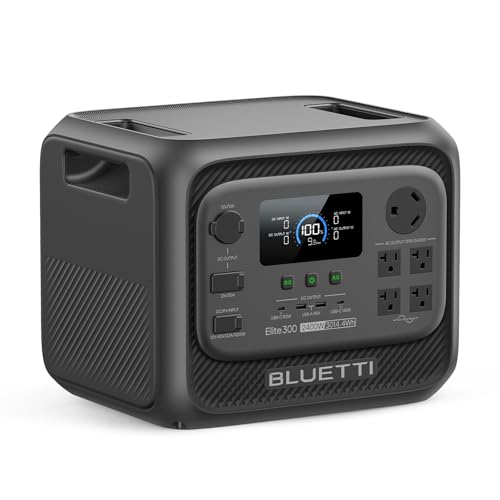 TOP CHOICEBest for RV plus home backupBLUETTI Elite 300 Portable Power Station for RV & Home Backup 3014.4WhView on Amazon
- 3
 TOP CHOICEBest for expandable capacityJackery HomePower 3600 Plus Power Station, 3584Wh, 3600W AC Output | LView on Amazon
- 4
 Best for fast rechargingEF ECOFLOW DELTA 3 Max Portable Power Station, 2048Wh LFP Battery, 240View on Amazon
- 5
 Best for large off-grid setupsEF ECOFLOW Portable Power Station 3600Wh DELTA Pro, 120V 3600W AC OutpView on Amazon
- 6
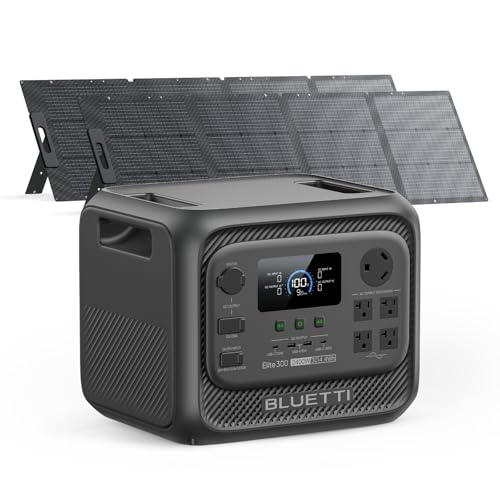 Best solar bundleBLUETTI Solar Generator Elite 300 & 2x200W Solar Panel 3014.4Wh LFP BaView on Amazon
Our Top Picks
Quick Comparison
| Product | Best for | Key feature |
|---|---|---|
| Jackery HomePower 3000 Portable Power Station | Overall balance of capacity and output | 3072Wh LFP battery, 3600W AC output |
| BLUETTI Elite 300 Portable Power Station | RV use with a TT-30 port | 3014.4Wh LiFePO4, 12V/30A DC output |
| Jackery HomePower 3600 Plus Power Station | Owners planning future expansion | 3584Wh LFP, expandable to 21kWh |
| EF ECOFLOW DELTA 3 Max Portable Power Station | Quick turnaround between trips | 2048Wh LFP, 0-80% charge in about 1.13 hours |
| EF ECOFLOW DELTA Pro Portable Power Station | Heavy daily loads and long stays | 3600Wh, expandable up to 25kWh |
| BLUETTI Solar Generator Elite 300 & 2x200W Solar Panel | Boondocking with solar input | 3014.4Wh LFP with two 200W panels |
Jackery HomePower 3000 Portable Power Station, 3072Wh, 3600W AC Output | 7200W Surge, LFP Battery, Solar Generator, Essential Home Backup for Home Use, Power Outage (Solar Panel Optional)
Jackery HomePower 3000 Portable Power Station, 3072Wh, 3600W AC Output | 7200W Surge, LFP Battery, Solar Generator, Essential Home Backup for Home Use, Power Outage (Solar Panel Optional)
Jackery HomePower 3000 Portable Power Station
Best for: Overall balance of capacity and output
This unit suits RV owners who want one reliable battery for a fridge, lights, a water pump and regular device charging, with headroom for a microwave or a small appliance. It is also a fit for people who want the same unit to serve as home backup.
Key specs
- 3072Wh capacity
- 3600W AC output, 7200W surge
- LFP battery chemistry
- Solar input supported (panels sold separately)
Pros
- Large capacity for multi-day trips without shore power
- LFP chemistry tolerates many more charge cycles than typical lead-acid batteries
- High surge rating helps with motor-driven appliances
Cons
- Heavy for one person to move in and out of a storage bay
- Full recharge from wall power takes a long time compared with faster units
Bottom line: A strong choice for RVers who want a single, high-capacity battery that also covers home emergencies.
View on Amazon
BLUETTI Elite 300 Portable Power Station for RV & Home Backup 3014.4Wh | 2400W (4800W Surge), LiFePO4 Battery, Smallest 3kWh Solar Generator for Emergency, RV Power with TT-30 RV Port & 12V/30A DC
BLUETTI Elite 300 Portable Power Station for RV & Home Backup 3014.4Wh | 2400W (4800W Surge), LiFePO4 Battery, Smallest 3kWh Solar Generator for Emergency, RV Power with TT-30 RV Port & 12V/30A DC
BLUETTI Elite 300 Portable Power Station for RV & Home Backup
Best for: RV use with a TT-30 port
Campers who run a 30-amp RV with a TT-30 connection and want a battery that can feed the rig’s circuits directly will find this one practical. It is also suited to people who want a compact unit for emergency backup.
Key specs
- 3014.4Wh LiFePO4 battery
- 2400W AC output, 4800W surge
- TT-30 RV port and 12V/30A DC output
Pros
- Built-in TT-30 RV port suits many campers
- Direct 12V DC output for fridges and fans
- Compact for its capacity class
Cons
- 2400W continuous output limits how many high-draw appliances run at once
- Owners report that running an air conditioner pushes the unit close to its limit
Bottom line: Best for RV owners who want a dedicated RV port and 12V output in one compact unit.
View on Amazon
Jackery HomePower 3600 Plus Power Station, 3584Wh, 3600W AC Output | LFP Battery, Expandable to 21kWh, Solar Generator, Essential Home Backup for Home Use, Emergencies, RV (Solar Panel Optional)
Jackery HomePower 3600 Plus Power Station, 3584Wh, 3600W AC Output | LFP Battery, Expandable to 21kWh, Solar Generator, Essential Home Backup for Home Use, Emergencies, RV (Solar Panel Optional)
Jackery HomePower 3600 Plus Power Station
Best for: Expandable capacity
This model fits campers who expect their power needs to grow, such as adding solar panels or extra battery modules over time, or who want a home backup system that can later scale up.
Key specs
- 3584Wh LFP battery
- 3600W AC output
- Expandable to 21kWh with additional battery units
Pros
- Clear expansion path for longer off-grid stays
- LFP battery chemistry supports long service life
- Usable for both RV and home emergency roles
Cons
- Expansion adds significant cost and weight over time
- Larger footprint than compact single-purpose units
Bottom line: A good pick for campers who plan to build out their system gradually.
View on Amazon
EF ECOFLOW DELTA 3 Max Portable Power Station, 2048Wh LFP Battery, 2400W | 3400W X-Boost Output, Ultra-Fast 0-80% Charging in 1.13 Hr, Home Backup & RV Camping, Solar Generator (Solar Panel Optional)
EF ECOFLOW DELTA 3 Max Portable Power Station, 2048Wh LFP Battery, 2400W | 3400W X-Boost Output, Ultra-Fast 0-80% Charging in 1.13 Hr, Home Backup & RV Camping, Solar Generator (Solar Panel Optional)
EF ECOFLOW DELTA 3 Max Portable Power Station
Best for: Fast recharging between trips
Weekend campers who need to top up quickly between outings, or who rely on limited charging windows at campgrounds, will benefit most from this unit’s fast-charge rating.
Key specs
- 2048Wh LFP battery
- 2400W rated output, 3400W X-Boost
- Listed 0-80% charge in about 1.13 hours
Pros
- Very fast recharge for a unit of this capacity
- LFP chemistry for long life
- X-Boost helps start motor loads
Cons
- Lower capacity than the 3000Wh-plus models for multi-day boondocking
- Fast charging depends on a compatible high-wattage input
Bottom line: Best for shorter trips and campers who value quick turnaround above maximum capacity.
View on Amazon
EF ECOFLOW Portable Power Station 3600Wh DELTA Pro, 120V 3600W AC Output | 2.7H Fast Charge Power Station, Expandable up to 25kWh, Solar Generator for Home Use, Power Outage, Camping, RV, Emergencies
EF ECOFLOW Portable Power Station 3600Wh DELTA Pro, 120V 3600W AC Output | 2.7H Fast Charge Power Station, Expandable up to 25kWh, Solar Generator for Home Use, Power Outage, Camping, RV, Emergencies
EF ECOFLOW Portable Power Station 3600Wh DELTA Pro
Best for: Heavy daily loads and long stays
Full-time RVers and extended campers with high daily consumption, or those who want a large expandable system, are the target audience for this unit.
Key specs
- 3600Wh capacity
- 3600W AC output at 120V
- Expandable up to 25kWh
Pros
- Very high capacity for long off-grid periods
- Strong AC output for mixed loads
- Expansion options for future needs
Cons
- Heavy and bulky to store in a van or small trailer
- Premium positioning means it is a larger commitment than budget options
Bottom line: Ideal for full-time or long-stay RVers who need serious capacity and expect to grow.
View on Amazon
BLUETTI Solar Generator Elite 300 & 2x200W Solar Panel 3014.4Wh LFP Battery | w/ 2400W AC Outlets (4800W Surge), Smallest 3kWh, Portable Power Station for RV, Home Backup, w/ TT-30 RV Port & 12V/30A D
BLUETTI Solar Generator Elite 300 & 2x200W Solar Panel 3014.4Wh LFP Battery | w/ 2400W AC Outlets (4800W Surge), Smallest 3kWh, Portable Power Station for RV, Home Backup, w/ TT-30 RV Port & 12V/30A D
BLUETTI Solar Generator Elite 300 & 2x200W Solar Panel
Best for: Boondocking with solar input
Campers who plan to stay off-grid for days at a time and want a solar kit included will find this bundle useful, particularly those who want to avoid buying panels and a battery separately.
Key specs
- 3014.4Wh LFP battery
- 2400W AC output, 4800W surge
- Two 200W solar panels included
- TT-30 RV port and 12V/30A DC output
Pros
- Panels included, so the system is ready to use on arrival
- TT-30 RV port and 12V DC output
- LFP battery suited to frequent cycling
Cons
- Panel output depends heavily on sun exposure and campsite shade
- Panels take up roof or ground space and need to be set up each stop
Bottom line: A practical bundle for campers who want to add solar from day one.
View on AmazonBuying Guide
Battery capacity and daily energy use
Add up the watt-hours your devices use per day. A 12V fridge often draws roughly 40 to 60 amp-hours per day in typical conditions, which translates to a substantial share of a 3000Wh battery. Compare your daily total with the usable capacity, not the rated figure, because inverter losses and depth-of-discharge limits reduce what you can actually use.
Good picks for this: Jackery HomePower 3000 Portable Power Station, EF ECOFLOW DELTA Pro Portable Power Station
Battery chemistry
Lithium iron phosphate (LFP or LiFePO4) batteries are widely used in camping power stations because they generally offer longer cycle life and better thermal stability than standard lithium-ion chemistries. Check the listing for the chemistry, since it affects how many charge cycles you can expect.
Good picks for this: BLUETTI Elite 300 Portable Power Station, EF ECOFLOW DELTA 3 Max Portable Power Station
AC and DC output ratings
Continuous output tells you how many appliances you can run together. Surge rating matters for motor-driven items such as compressors and pumps. For RV use, a 12V DC output is useful for fridges and fans without the inverter losses of AC conversion.
Good picks for this: BLUETTI Elite 300 Portable Power Station, BLUETTI Solar Generator Elite 300 & 2x200W Solar Panel
RV connection compatibility
Many 30-amp RVs use a TT-30 connection. A unit with a built-in TT-30 port can power the rig’s circuits more directly. Confirm your RV’s inlet type and amperage before buying, and consult an RV technician if you are unsure about wiring or transfer switch compatibility.
Good picks for this: BLUETTI Elite 300 Portable Power Station, BLUETTI Solar Generator Elite 300 & 2x200W Solar Panel
Recharge speed and input options
Check the maximum AC and solar input wattage. A faster input shortens the time needed to recharge between stops, but it requires a suitable power source. Solar recharge speed depends on panel wattage and sun conditions.
Good picks for this: EF ECOFLOW DELTA 3 Max Portable Power Station, Jackery HomePower 3600 Plus Power Station
Size, weight and storage
Large units can weigh dozens of pounds and need secure storage to avoid shifting while driving. Measure the storage bay before buying, and plan how you will lift and secure the unit.
Good picks for this: BLUETTI Elite 300 Portable Power Station, EF ECOFLOW DELTA 3 Max Portable Power Station
Expandability and future needs
If you may add batteries or panels later, check whether the system supports expansion modules. Expansion can extend off-grid time but adds cost and weight.
Good picks for this: Jackery HomePower 3600 Plus Power Station, EF ECOFLOW DELTA Pro Portable Power Station
FAQ
Can a portable power station run an RV air conditioner?
Some units can start and run small RV air conditioners, but many owners report that it drains the battery quickly and pushes continuous output limits. Check the air conditioner’s startup and running wattage against the unit’s rated output before trying it.
How long will an RV battery power station last on one charge?
Runtime depends on your average draw. Divide the usable watt-hours by your daily consumption in watt-hours to estimate days of use. A 3000Wh unit running a 12V fridge and lights may last several days, but heavier loads shorten that considerably.
Is LFP better than other lithium batteries for RV use?
LFP batteries are generally considered more stable and longer lasting in charge cycles than many other lithium chemistries. They are a common choice for camping power stations, though exact cycle life depends on the manufacturer and usage conditions.
Can I charge an RV battery power station while driving?
Some setups charge from the vehicle, but this depends on your RV’s electrical system and the charging equipment used. Consult an RV technician before connecting a power station to your vehicle’s charging circuit.
How do I keep my power station safe in an RV?
Store the unit in a ventilated location, avoid extreme heat, keep it secured while driving, and follow the manufacturer’s charging and storage guidelines. Do not block vents or charge it under a blanket.
Do I need solar panels with an RV power station?
Solar is optional but helpful for extended boondocking. Panels extend runtime when there is good sun, but output varies with weather, shade and panel angle.
Conclusion
For most campers, the Jackery HomePower 3000 Portable Power Station offers the most balanced mix of capacity and output. If your RV uses a TT-30 port, the BLUETTI Elite 300 Portable Power Station is a practical fit. Owners planning to grow their system may prefer the Jackery HomePower 3600 Plus Power Station. Weekend campers who value quick recharging should look at the EF ECOFLOW DELTA 3 Max Portable Power Station, while full-time RVers with high daily loads may find the EF ECOFLOW DELTA Pro Portable Power Station better suited. The BLUETTI Solar Generator Elite 300 & 2x200W Solar Panel bundle works well for those who want solar from the start. Match capacity to your actual daily energy use before choosing.
Sources
- Guidance on battery storage, energy use and how home and portable power systems work (energy.gov)
- Consumer safety information on lithium battery products and charging precautions (cpsc.gov)
- Fire safety codes and guidance relevant to storing and charging lithium batteries (nfpa.org)
Related reading
- Using a Portable Power Station in an RV or Camper Van
- Top 5 Portable Power Stations for RV Options Compared (2026)
- RV Solar Power Basics: Panels, Controllers and Batteries
About Lauren Holland
Lauren Holland is part of our editorial team and reviews and edits our off-grid power for camping, RV & vanlife guides, checking product details against manufacturer specifications and owner feedback.