
 By Lauren Holland
Updated November 2026
Shopping for an rv power monitoring system usually comes down to one question: how do you know how much battery you have left before the lights go out or the fridge stops running? This list compares four products that cover different parts of that job, from battery shunt monitors to tire sensors and remote temperature alerts. The selection criteria were specification clarity, the range of what each product measures, the way it reports information to the user, and the patterns owners tend to describe in their feedback. None of these were tested in a lab or on our own rigs, so treat the comparisons as research-based summaries rather than hands-on verdicts.
Our top picks at a glance
- 1
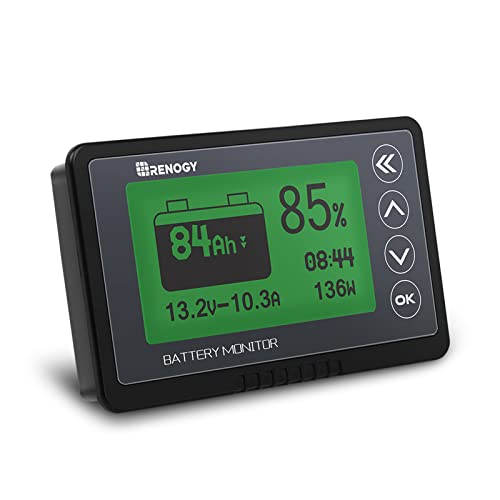 TOP CHOICEBest overallRenogy 500A Battery Monitor, Tester with Shunt, Battery Meter Power SystemView on Amazon
- 2
 Best for tire safety on trailersGUTA GT30 Trailer Tire Pressure Monitoring System, RV TPMS with 10 SensorsView on Amazon
- 3
 Best for solar-charged sensorsTymate TM2 RV Tire Pressure Monitoring System, TPMS Set of 4 SensorsView on Amazon
- 4
 Best for remote temperature alertsNecto Cellular Temperature Monitor, Power Outage Alarm & Humidity SensorView on Amazon
Our Top Picks
Quick Comparison
| Product | Best for | Key feature |
|---|---|---|
| Renogy 500A Battery Monitor | Tracking battery state of charge and current flow | Shunt-based monitoring up to 500A with programmable high and low voltage alarms |
| GUTA GT30 Trailer Tire Pressure Monitoring System | Multi-trailer setups with many tires | Monitors up to 46 tires across three trailers with a signal booster |
| Tymate TM2 RV Tire Pressure Monitoring System | Four-tire rigs that want sensors charged by sun or USB | Solar and USB sensor charging with six alarm modes |
| Necto Cellular Temperature Monitor | Remote checks on temperature, humidity and power outages | Cellular alerts without WiFi, including a power outage alarm |
Renogy 500A Battery Monitor, Tester with Shunt, Battery Meter Power System
Renogy 500A Battery Monitor, Tester with Shunt, Battery Meter Power System | High & Low Voltage Programmable Alarm, 10V-120V and up to 500A, 20ft Shielded Cable, Compatible with 12V Lithium Sealed, Ge
Best for: Tracking battery state of charge and current flow
This is the monitor for campers who want to know exactly what their house battery bank is doing. It is built for the core question of an rv power monitoring system: how much energy is going in, how much is coming out, and how much is left. Good fit for lithium and sealed lead-acid battery banks on 12V systems, especially where solar charging is part of the picture.
Key specs
- Voltage range of 10V to 120V
- Current measurement up to 500A with included shunt
- Programmable high and low voltage alarms
- 20 ft shielded cable
Pros
- Shunt-based readings track real current draw, not just voltage
- Programmable alarms help prevent deep discharge
- Long cable makes mounting flexible inside a van or trailer
Cons
- Installation requires wiring the shunt into the negative battery path, which some owners find intimidating
- Display is compact and can be hard to read at a glance in bright conditions
Bottom line: Pick this if you run a 12V battery bank and want precise state-of-charge data. Campers who only want tire or temperature alerts will need something else.
View on AmazonGUTA GT30 Trailer Tire Pressure Monitoring System, RV TPMS with 10 Sensors
GUTA GT30 Trailer Tire Pressure Monitoring System, RV TPMS with 10 Sensors | Monitors Up to 46 Tires for 3 Trailers, Signal Booster, 6 Alert Modes, LCD Display, 0–188 PSI for RV, 5th Wheel, Motorhomes
Best for: Multi-trailer setups with many tires
Designed for owners running several trailers or a large rig with many wheels. Power monitoring here means watching the health of the tires that carry the load, which matters because a blowout can take out a trailer’s electrical system and force an early end to your camp day.
Key specs
- Supports up to 46 tires across three trailers
- Pressure range listed as 0 to 188 PSI
- Six alert modes and an LCD display
- Includes a signal booster
Pros
- Covers far more tires than single-rig systems
- Signal booster helps with longer trailer lengths
- Multiple alert modes let you set sensitivity
Cons
- Setup with ten sensors takes time and careful pairing
- Owners with only one rig may be paying for capacity they never use
Bottom line: Best for owners managing several trailers. A single-rig camper will likely find the Tymate option more proportionate.
View on AmazonTymate TM2 RV Tire Pressure Monitoring System, TPMS Set of 4 Sensors
Tymate TM2 RV Tire Pressure Monitoring System, TPMS Set of 4 Sensors | Max. 10 Tires Info Monitoring, 6 Alarm Modes, 0-144PSI, Solar/USB Charge, Color LCD, For RV/Fifth Wheel/Trailer/Truck/SUV/Car
Best for: Four-tire rigs that want sensors charged by sun or USB
A reasonable match for a single RV, fifth wheel or truck-and-trailer combo. The solar and USB charging option means sensors can be kept running without relying on battery replacements, which many campers value when parked off-grid for stretches.
Key specs
- Monitors up to 10 tires
- Pressure range listed as 0 to 144 PSI
- Six alarm modes and a color LCD
- Solar and USB charging for sensors
Pros
- Solar and USB charging reduces battery swaps
- Color display is easier to read than basic monochrome units
- Suits a wide range of rig types
Cons
- Solar charging depends on sun exposure, so sensors on shaded tires may need USB top-ups
- Tire capacity is smaller than the GUTA system for large fleets
Bottom line: A strong fit for a typical four-tire rig owner who likes low-maintenance sensors. Heavy multi-trailer users should look at the GUTA GT30 instead.
View on AmazonNecto Cellular Temperature Monitor, Power Outage Alarm & Humidity Sensor
Necto Cellular Temperature Monitor, Power Outage Alarm & Humidity Sensor | Remote Temp Monitoring System, No WiFi Required, Real-Time App Notifications, for RV, Pet, Car, Vacation Home & Server Room
Best for: Remote checks on temperature, humidity and power outages
This one is a different kind of monitor. Instead of measuring your battery or tires, it watches the environment inside your RV or a stored vehicle and alerts you by phone when something changes. It is useful when you are away from the unit and want to know if power has been cut or the temperature is climbing.
Key specs
- Cellular connection, no WiFi required
- Real-time app notifications
- Power outage alarm and humidity sensor
Pros
- Works without WiFi, which suits remote campsites
- Power outage alerts can flag a shore power or inverter problem early
- Useful for stored rigs and vacation properties
Cons
- Requires a cellular data plan, which adds an ongoing cost
- Does not report battery state of charge, so it complements rather than replaces a battery monitor
Bottom line: Pick this if you want remote alerts for temperature and power loss. It works best alongside a battery monitor like the Renogy 500A rather than as a substitute.
View on AmazonBuying Guide
Battery Measurement Method
Many monitors read voltage only, while shunt-based units measure current flowing in and out of the battery. Current tracking gives a more realistic amp-hour count, which is what you actually need when estimating how many nights your batteries will last. Check whether the product uses a shunt, and whether it includes one.
Good picks for this: Renogy 500A Battery Monitor
Compatible Battery Chemistry
Lithium and lead-acid batteries have different voltage curves, so a monitor’s state-of-charge estimate is only as good as its configuration. Confirm the unit supports your chemistry and that you can set the correct battery type. Mismatched settings are a common source of misleading readings.
Good picks for this: Renogy 500A Battery Monitor, Necto Cellular Temperature Monitor
Number of Sensors and Coverage
For tire monitors, count your tires before buying. Four-tire rigs and multi-trailer setups have very different needs. Buying capacity you will never use adds complexity, while undersized systems leave gaps.
Good picks for this: GUTA GT30 Trailer Tire Pressure Monitoring System, Tymate TM2 RV Tire Pressure Monitoring System
Power Source for Sensors
Sensors may run on replaceable batteries, solar, or USB. Solar charging is convenient but depends on sun exposure on each tire. USB charging is reliable but requires a connection. Think about how the rig is parked most of the time.
Good picks for this: Tymate TM2 RV Tire Pressure Monitoring System
Alerts and Notifications
Look at how the system tells you something is wrong. Local alarms are useful when you are nearby. Phone notifications matter when you are away from the rig. Check whether alerts need WiFi or cellular service, since many campsites have weak signals.
Good picks for this: Necto Cellular Temperature Monitor, GUTA GT30 Trailer Tire Pressure Monitoring System
Installation and Wiring
Shunt-based battery monitors require wiring into the negative battery path, which is a job for someone comfortable with 12V systems. Wireless sensors are usually simpler but still need pairing and placement. If you are unsure about wiring a battery system, consult a qualified RV technician or electrician.
Good picks for this: Renogy 500A Battery Monitor, Tymate TM2 RV Tire Pressure Monitoring System
Durability and Weather Exposure
Sensors and displays live in heat, cold, rain and road vibration. Look for housings and mounts that handle moisture and temperature swings. Shielded cables and secure connections reduce the chance of intermittent faults on the road.
Good picks for this: Tymate TM2 RV Tire Pressure Monitoring System, Necto Cellular Temperature Monitor
FAQ
What does an RV power monitoring system actually measure?
It depends on the product. Battery monitors typically report voltage, current, and an estimated state of charge. Other systems track tire pressure, temperature, humidity, or power outages. Know which of these you need before buying.
Is a shunt-based battery monitor better than a voltage-only meter?
For most campers, yes. A shunt measures current flowing in and out of the battery, which gives a more accurate picture of energy use than voltage alone. Voltage readings can shift with load and temperature.
Do tire pressure monitors need solar or USB charging?
Some sensors use replaceable batteries, while others can be charged by solar or USB. Solar works well with consistent sun exposure. USB requires a connection, so plan a charging routine if you park in shade.
Can a remote temperature monitor replace a battery monitor?
No. Temperature and power outage alerts are useful, but they do not report how much energy is stored in your batteries. Pair them with a battery monitor for a complete picture.
Do these systems need WiFi?
Not always. Some units use cellular connections, which can work at remote campsites where WiFi is unavailable. Check the connectivity requirements and any data plan costs before buying.
How do I know if a battery monitor is installed correctly?
Verify readings against a multimeter when the system is at rest and under a known load. If numbers look off, recheck shunt placement and wiring. Consult a qualified technician if the installation involves high-current wiring.
Conclusion
For most campers running a 12V battery bank, the Renogy 500A Battery Monitor is the most direct answer to what an rv power monitoring system should do: show real energy use and warn you before the batteries run low. If your concern is tire health, the GUTA GT30 suits multi-trailer owners, while the Tymate TM2 fits a typical four-tire rig. The Necto Cellular Temperature Monitor is a good companion for remote alerts about temperature, humidity and power loss, but it does not replace battery tracking. Many campers will get the most value by pairing a battery monitor with one of the other systems.
For broader planning, see Rv Power Management System: A Practical Guide (2026) and RV Solar Power Diagram: How to Read One and Wire Your System. If you are building an off-grid setup around the monitor, 5 Best RV Solar Power Systems for Off-Grid Campers (2026) covers complementary hardware, and Troubleshooting RV Power Converter: A Step-by-Step Guide for Campers helps when readings do not match what you expect.
Sources
- Background on battery storage, energy use and how power systems are sized and managed (energy.gov)
- Consumer safety information on electrical products and battery-related hazards (cpsc.gov)
Related reading
- RV Power Supply System: How to Plan, Wire and Size Yours (2026)
- RV Power Control System: How to Set Up and Manage Your Campsite Power (2026)
- 7 Best RV Off Grid Power System Options for Campers in 2026
- 6 Best RV Solar Power System Kits for Campers (2026)
About Lauren Holland
Lauren Holland is part of our editorial team and reviews and edits our off-grid power for camping, RV & vanlife guides, checking product details against manufacturer specifications and owner feedback.





