 By Lauren Holland
Updated November 2026
Choosing a portable power station for camping in NZ comes down to three things: how much energy your gear really uses, how many nights you plan to be off the grid, and how you will recharge between sites. This guide compares six units from the current Amazon listings, weighing battery capacity in watt-hours, output ports, pure sine wave inverter quality, charge speed, solar compatibility and the general owner feedback patterns we see for each brand. Nothing here comes from personal testing; the picks reflect manufacturer specifications and recurring owner comments.
Our top picks at a glance
- 1
 TOP CHOICEBest overallBLUETTI Solar Generator Elite 100 V2 with 2x100W Solar PanelsView on Amazon
- 2
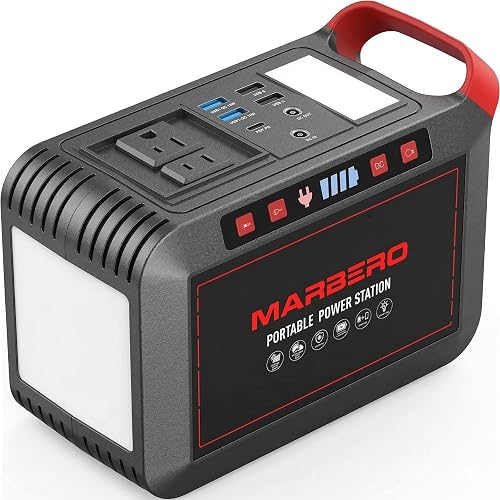 TOP CHOICEBest for small tent setupsPortable Power Station 300W MARBERO 237Wh Camping Solar GeneratorView on Amazon
- 3
 TOP CHOICEBest for fast rechargingJackery Explorer 1000 v2 Portable Power StationView on Amazon
- 4
 Best budget pickGENSROCK Portable Power Station 120W Power Bank with AC OutletView on Amazon
- 5
 Best for CPAP and light loadsEnginStar Portable Power Station 300W 296Wh Solar GeneratorView on Amazon
- 6
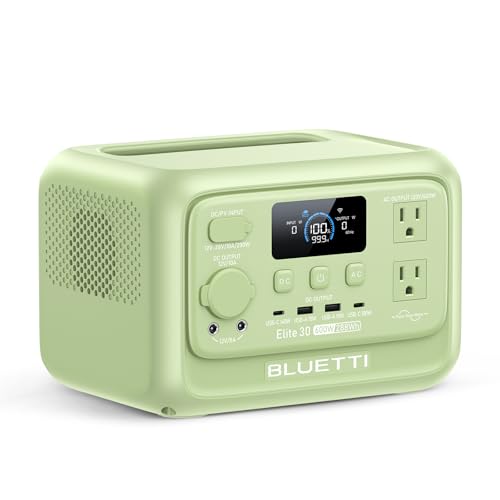 Best compact all-rounderBLUETTI Elite 30 V2 Portable Power Station 288Wh 600W LFPView on Amazon
Our Top Picks
Quick Comparison
| Product | Best for | Key feature |
|---|---|---|
| BLUETTI Solar Generator Elite 100 V2 | Multi-night family camping | About 1024Wh with bundled solar panels |
| MARBERO 300W Portable Power Station | Small tent setups | About 237Wh with pure sine wave AC |
| Jackery Explorer 1000 v2 | Fast recharging | About 1024Wh with 50-minute fast charge |
| GENSROCK Portable Power Station 120W | Budget phone and light charging | 24000mAh capacity with multiple ports |
| EnginStar Portable Power Station 300W | CPAP and light loads | About 296Wh pure sine wave output |
| BLUETTI Elite 30 V2 | Compact all-rounder | About 288Wh with 600W AC output |
BLUETTI Solar Generator Elite 100 V2 with 2x100W Solar Panels
BLUETTI Solar Generator Elite 100 V2 with 2x100W Solar Panels, 1024Wh 1800W | 3600W Surge, 0-80% in 45 Min, 10ms UPS, LiFePO4 Battery, Portable Power Station for Camping, Emergency, Road Trip
Best for: Multi-night family camping with solar recharging
This is the most capable unit in the group. It suits campers who run a fridge, lights, a fan and device charging over several nights and want a solar option that keeps pace with daily use. It is a poor fit for minimalist tent trips, where the weight and size will feel excessive.
Key specs (per listing):
- 1024Wh LiFePO4 battery
- 1800W rated output, 3600W surge
- Bundled 2x100W solar panels
- 10ms UPS switchover
Pros
- Large capacity covers several nights of mixed loads
- Solar panels included, so recharging is planned from the start
- Strong surge rating for compressor fridges and small tools
Cons
- Heavy and bulky to carry to a remote site
- Full solar setup takes up noticeable space in the vehicle
Bottom line: Pick this if you camp with family for several nights and want solar included rather than bought later.
View on AmazonPortable Power Station 300W MARBERO 237Wh Camping Solar Generator
Portable Power Station 300W MARBERO 237Wh Camping Solar Generator Backup Lithium Battery with Pure Sine Wave 110V AC Outlet, USB C, USB A, DC for Outdoors Camping CPAP Home Blackout Emergency
Best for: Small tent setups and short trips
Suited to solo or couple campers who need lights, phone charging and perhaps a small fan or CPAP machine for a night or two. It is less suitable for running a compressor fridge continuously.
Key specs (per listing):
- 237Wh capacity
- 300W output with pure sine wave 110V AC outlet
- USB-C, USB-A and DC outputs
Pros
- Light enough to carry from car to tent
- Pure sine wave output suits sensitive electronics
- Several output types in one unit
Cons
- Limited runtime for anything beyond phones and lights
- Smaller capacity means frequent recharging on longer trips
Bottom line: A sensible choice for tent campers whose power needs stay modest.
View on AmazonJackery Explorer 1000 v2 Portable Power Station
Jackery Explorer 1000 v2 Portable Power Station, 1024Wh LiFePO4 Battery | 1500W (3000W Peak), 50-Min Fast Charge, 10ms UPS Solar Generator for Home Emergency, Camping & RV.
Best for: Fast recharging between camp days
Good for campers who drive daily, arrive at sites with limited hook-up options and want to top up the battery quickly in the car or from solar. It targets the middle ground between tent kits and full home-backup systems.
Key specs (per listing):
- 1024Wh LiFePO4 battery
- 1500W continuous output, 3000W peak
- 50-minute fast charge
- 10ms UPS function
Pros
- Quick recharge suits busy itineraries
- Good output headroom for appliances
- Well-regarded brand with broad accessory support
Cons
- Heavier than small units
- Price tier is higher than budget options
Bottom line: Choose this when charging speed and output headroom matter more than portability.
View on AmazonGENSROCK Portable Power Station 120W Power Bank with AC Outlet
GENSROCK Portable Power Station 120W, Power Bank with AC Outlet 24000mAh | 8 Output Ports | 2 110V AC Outlets | Lithium-Ion Portable Power Bank | LED Light | For Home, Camping, Travel, and Emergencies
Best for: Budget phone, tablet and light charging
Aimed at casual campers and day trippers who mostly need device charging and a little AC power. Its 24000mAh capacity is better suited to electronics than to appliances.
Key specs (per listing):
- 24000mAh capacity
- 120W output rating
- 8 output ports including two 110V AC outlets
- Built-in LED light
Pros
- Many ports for group charging
- Built-in LED light is handy at camp
- Low-cost entry point
Cons
- Low wattage rules out fridges and most fans
- Owners often report it is best for devices rather than heavier loads
Bottom line: A practical budget pick for charging phones and small devices, not for running camp equipment.
View on AmazonEnginStar Portable Power Station 300W 296Wh Solar Generator
EnginStar Portable Power Station 300W 296Wh Solar Generator | Pure Sine Wave AC Outlet for Outdoors Camping Travel and Emergency Blackout, 80000mAh Backup Battery Power Supply for CPAP
Best for: CPAP and light loads
Relevant for campers who need steady, clean AC power for medical devices or sensitive electronics. Capacity is modest, so it works best for overnight or short-trip use.
Key specs (per listing):
- 296Wh capacity
- 300W pure sine wave AC output
- Solar generator compatible
Pros
- Pure sine wave output suits medical and sensitive devices
- Solar compatibility adds flexibility
- Manageable size for car camping
Cons
- Runtime is short for multi-night use
- Owners often mention limited headroom for higher-draw appliances
Bottom line: A focused choice for light, steady loads; confirm your device’s wattage before buying.
View on AmazonBLUETTI Elite 30 V2 Portable Power Station 288Wh 600W LFP
BLUETTI Elite 30 V2 Portable Power Station 288Wh 600W LFP Solar Generator | AC Outlet (Power Lifting 1500W), Fast Charge Battery Backup, UPS Backup Power for Camping, Road Tours, Outage, Adventure
Best for: Compact all-round camping
A balanced option for weekend car campers and campervan owners who want more output than a basic power bank without the bulk of a large unit.
Key specs (per listing):
- 288Wh LFP battery
- 600W AC output
- Fast charge battery backup function
Pros
- Compact footprint for vehicle storage
- Enough output for lights, fans and laptops
- LFP chemistry is generally valued for cycle life
Cons
- Capacity limits multi-night refrigeration
- Solar input details should be checked on the listing
Bottom line: Ideal for weekend trips where space and weight are tight but output needs are moderate.
View on AmazonBuying Guide
Battery Capacity (Watt-Hours)
Capacity in watt-hours tells you roughly how much energy the unit stores. Divide it by your device’s wattage to estimate runtime, and remember that conversion losses reduce usable energy. A 12V fridge drawing around 40W for 12 hours uses about 480Wh per day, which points toward mid-to-large units.
Good picks for this: BLUETTI Solar Generator Elite 100 V2, Jackery Explorer 1000 v2
Output Ports and Inverter Quality
Check continuous wattage, surge rating and whether the AC output is pure sine wave. Pure sine wave is generally preferred for CPAP machines, laptops and other sensitive electronics. Count the USB and DC ports you need so you do not run short at camp.
Good picks for this: EnginStar Portable Power Station 300W, MARBERO 300W Portable Power Station
Size and Weight
Measure your vehicle space and how far you carry gear. Units above roughly 1000Wh are heavy for one person to lift comfortably. Smaller units suit tent campers; larger ones suit car or campervan setups.
Good picks for this: BLUETTI Elite 30 V2, MARBERO 300W Portable Power Station
Recharging Options
Consider how you will recharge: vehicle charging, wall charging before departure or solar. Fast-charge models shorten stops between days. If you plan on solar, confirm input wattage and compatible panels before purchase.
Good picks for this: Jackery Explorer 1000 v2, BLUETTI Solar Generator Elite 100 V2
Battery Chemistry and Lifespan
Many current units use lithium iron phosphate (LiFePO4 or LFP) batteries, which manufacturers typically rate for a high number of charge cycles. Storage and temperature still matter, so keep the unit out of extreme heat and store it partially charged.
Good picks for this: BLUETTI Elite 30 V2, Jackery Explorer 1000 v2
Use Case and Load Planning
Write down every device you plan to run and its wattage, then estimate hours of use per day. Add a 20–30% margin for losses and surprises. This simple calculation prevents most runtime disappointments.
Good picks for this: GENSROCK Portable Power Station 120W, EnginStar Portable Power Station 300W
Durability and Weather Protection
Camp sites bring dust, moisture and temperature swings. Look for sturdy housings and check the listed operating temperature range. Keep the unit in the vehicle cabin where possible rather than an open trailer.
Good picks for this: BLUETTI Solar Generator Elite 100 V2, BLUETTI Elite 30 V2
FAQ
How big a portable power station do I need for camping in NZ?
For phones, lights and a small fan over a weekend, a unit around 250 to 300Wh is often enough. A fridge plus devices over several nights usually needs about 1000Wh or more. Estimate your daily watt-hours and add a margin.
Can a portable power station run a camping fridge all night?
Many 12V compressor fridges draw modest average power, so a mid-size unit can often run one for a night or more. Results depend on ambient temperature, fridge efficiency and how often the lid opens. Check the fridge’s rated draw first.
What is the difference between pure sine wave and modified sine wave?
Pure sine wave output is closer to household grid power and is generally better for sensitive electronics and medical devices such as CPAP machines. Modified sine wave can work for simple devices but may cause problems with some equipment.
Can I recharge a power station with solar in New Zealand?
Yes, if the unit supports solar input and your panels match its input limits. Output varies with weather, panel angle and season. Plan for slower recharging on overcast days.
Is LiFePO4 better for camping?
LiFePO4 batteries are commonly chosen for their cycle life and stability, but they are usually heavier per watt-hour than some alternatives. For regular camping use, many owners value the longevity.
Should I consult a professional before connecting a power station to my vehicle?
If you plan to wire a power station into a vehicle’s electrical system or to a campervan’s installed components, consult a qualified auto electrician or installer. Incorrect wiring can damage equipment or create fire risk.
Conclusion
For multi-night family trips with solar, the BLUETTI Solar Generator Elite 100 V2 offers the most capacity. The Jackery Explorer 1000 v2 suits campers who need quick recharging, while the BLUETTI Elite 30 V2 balances size and output for weekend car trips. Tent campers with light loads will find the MARBERO 300W and EnginStar units practical, and the GENSROCK 120W unit is a budget choice for device charging. Match capacity to your daily watt-hours before deciding.
Sources
- Guidance on battery storage, energy calculations and safe device use (energy.gov)
- Product safety information on lithium battery handling and recalls (cpsc.gov)
- Standards and measurement background relevant to battery and power ratings (nist.gov)
Before you buy: helpful guides
Related reading
- Top 6 Portable Power Stations for Off Grid Camping: Buyer's Guide
- Top 5 Portable Power Stations for Camping Picks Compared in 2026
About Lauren Holland
Lauren Holland is part of our editorial team and reviews and edits our off-grid power for camping, RV & vanlife guides, checking product details against manufacturer specifications and owner feedback.