 By Lauren Holland
Updated November 2026
A car power inverter is generally safe when it is sized correctly, connected to the right outlet or circuit, and used within its rated limits. The main risks are overheating wiring, draining the starting battery, and running a load the inverter cannot handle. This guide explains how to check each of those factors so you can decide whether is car power inverter safe for your setup, and how to use one with confidence at camp.
Understand the Main Safety Risks
Most inverter problems come from three sources. The first is thermal stress: a small inverter pushed past its continuous wattage gets hot, and undersized cable can overheat along its length. The second is battery drain. With the engine off, an inverter pulls current straight from the starting battery, and a few hours of heavy use can leave you unable to start the vehicle. The third is poor connections, such as a loose lighter-socket plug or a clamp that is not fully tight, which creates resistance and heat.
Shopping for one? See our guide: 7 Best Power Inverter Car Adapter Picks: Options Compared (2026).
Modern units include protections like over-temperature shutdown, low-voltage cutoff and short-circuit protection. These help, but they are a backup, not a substitute for correct sizing and wiring.
Size the Inverter and Check the Load
Start by adding up the wattage of the devices you plan to run at the same time. Compare that total against the inverter’s continuous rating, not its peak or surge rating. Keep your running load at or below about 80 percent of the continuous rating to leave headroom. Motor-driven devices like compressors and power tools need several times their listed wattage at startup, so they deserve extra margin.
Do not plug in high-draw appliances such as space heaters, microwaves or hair dryers unless the inverter is explicitly rated for them. A small inverter running a heating element can exceed its limits quickly.
Wire It Correctly for Your Setup
For anything above a few tens of watts, the most common safe approach is a direct battery connection with fused cable sized to the inverter’s current draw. The inverter’s manufacturer will specify cable gauge and fuse rating. Keep the cable as short as practical, mount the inverter in a ventilated spot, and never run it inside a sealed compartment.
Plugging into the cigarette lighter or 12V socket is fine for low-wattage devices such as phone chargers and laptops, since that socket is usually fused at 10 to 15 amps. Do not pull more than the socket’s fuse rating allows. If you are unsure whether your wiring is up to the job, a qualified auto electrician can check it.
Use the Inverter Safely Every Time
- Confirm the inverter’s continuous wattage exceeds your combined load with margin.
- Check that cables and clamps are tight and free of corrosion.
- Place the unit on a dry, flat surface with airflow around it.
- Start the engine before running heavy loads, so the alternator carries the current.
- If running it with the engine off, limit use and monitor battery voltage.
- Switch the inverter off when not in use, and unplug devices before storing it.
Common Mistakes
- Relying on peak wattage instead of continuous wattage when choosing a unit.
- Running a power-hungry appliance all night with the engine off, then struggling to restart.
- Using thin extension cords or adapters that heat up under load.
- Covering the inverter with bedding, bags or gear, which blocks cooling.
- Ignoring a warm plug or a burning smell, which signals a loose connection or overload.
Recommended Gear
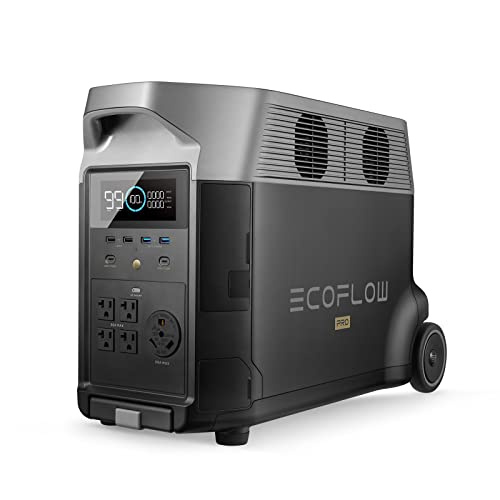
A quality inverter with a built-in fan and clear status display makes it easier to monitor temperature and output while you work.
View on Amazon
A digital voltmeter or battery monitor helps you track starting-battery voltage so you can stop before the engine will not turn over.
View on Amazon
Properly rated fused battery cable and a terminal fuse holder protect the wiring if a fault occurs.
View on Amazon
FAQ
Can a car power inverter damage my vehicle?
It can if it is undersized, poorly wired, or left to drain the starting battery. Correct sizing, fused connections and running the engine during heavy use greatly reduce that risk.
Is it safe to leave a power inverter plugged in overnight?
Leaving it plugged in with nothing attached draws little power, but running devices overnight with the engine off can drain the battery. Switch it off when not in use.
Should I consult a professional before installing a hardwired inverter?
Yes, especially for high-wattage units that connect directly to the battery. A qualified auto electrician can confirm cable size, fusing and mounting.
Conclusion
A car power inverter is safe when you size it for your continuous load, wire it with appropriately rated fused cable, and avoid running it on a weak battery. Follow the checklist above and watch for heat, drain and loose connections. With those habits in place, your inverter can power camp devices reliably for years.
Related reading
- Foval 200W Car Power Inverter: Setup, Sizing and Safe Use
- Foval 150W Car Power Inverter: Setup, Sizing and Safe Camp Use
- AC Power Inverter for Car: A Step-by-Step Guide to Safe Use (2026)
- 12V DC Power Inverter for Car: Sizing, Wiring and Safe Camping Use
- USB Power Inverter for Car: How to Choose, Wire and Use One Safely
Ready to choose one?
About Lauren Holland
Lauren Holland is part of our editorial team and reviews and edits our off-grid power for camping, RV & vanlife guides, checking product details against manufacturer specifications and owner feedback.