 By Colin Foster
Updated November 2026
A hidden fan camping light is a combined setup where a small fan and a light are tucked into one housing, a ceiling mount, or a tent-top fixture, so you get airflow and illumination without taking up table space. In this guide you will learn what these units do well, how to choose one, how to wire or power it from a battery or portable power station, and how to estimate how many hours it will run before you need a recharge.
What a Hidden Fan Camping Light Actually Is
Most people use the term loosely. It can mean a fan with an integrated LED lamp built into the frame, a ceiling fan with a light kit fitted to an RV or camper roof, or a tent accessory where a fan clips to a ridge line and a lamp hangs beside it. The common thread is that the two functions share one mount, one power connection, and one switch or controller. For another angle, check out Fan Light Combo Camping: How to Pick and Power One for Hot Nights.
Shopping for one? See our guide: Top 5 Camping Fans with Light Picks Compared for Hot Nights.
Integrated units are popular because they save weight and space. A single 12-volt or USB-powered fixture can replace two separate gadgets, which matters when your tent or van has limited hanging points and every cable has to be routed carefully.
Step 1: Decide Where the Unit Will Mount
Placement determines what kind of hardware you need and how much airflow you will actually feel. Before you buy anything, measure the space and think about how you will use it.
- Tent ridge or ceiling: Works for tents with interior loops or a roof vent. Check that the fixture will not sag or touch the fly, since condensation and heat both build up there.
- RV or camper ceiling: Usually uses a standard roof-fan cutout. Confirm the existing opening dimensions before buying a replacement.
- Van or truck camper: Often mounts to a headliner or a dedicated bracket. Keep the unit away from cabinets or bunks where a swinging fan could cause injury.
- Freestanding or pole-mounted: Gives you the most flexibility but takes up floor or table space.
If you are unsure whether a ceiling-style unit suits your shelter, our guide on Ceiling Fan for Camping: How to Power One for Tents, RVs and Vanlife walks through the mounting and wiring questions in more detail.
Step 2: Match the Power Source to the Fixture
The biggest practical question is whether your hidden fan camping light runs on 12-volt DC, USB, or a built-in rechargeable battery. Each has different tradeoffs.
| Power type | Typical source | Strengths | Watch for |
|---|---|---|---|
| 12V DC | Vehicle battery or 12V battery bank | Efficient, no inverter loss | Needs correct polarity and fusing |
| USB (5V) | Power bank or USB port on a power station | Easy to connect, many options | Higher-powered fans can drain small banks quickly |
| Built-in battery | Internal lithium cell, recharged by USB | Fully portable, no cables | Runtime is often short on high speed |
| 120V AC | Campground pedestal or generator | Strong, consistent power | Requires a plug-in outlet nearby |
Manufacturers usually list wattage or amperage for each speed and brightness setting. Use those numbers, not guesses, when you plan runtime.
Step 3: Calculate Runtime Before You Leave
Runtime planning is where most campers run into trouble. The math is simple once you have the numbers.
- Find the fixture’s power draw in watts for the mode you plan to use. If only amps are listed, multiply by the system voltage (for 12V, amps × 12 = watts).
- Convert your battery capacity to watt-hours. For a battery rated in amp-hours at 12V, multiply amp-hours × 12. For a power station, the watt-hour rating is usually printed on the label.
- Divide usable watt-hours by the fixture’s watts to get rough hours. Reduce the battery figure by about 10 to 20 percent to account for inverter losses, cold temperatures, and the fact that batteries should not be drained to zero.
Example: A 12V fixture drawing 5 watts on low, run from a 100 watt-hour power station, gives roughly 100 × 0.8 ÷ 5 = about 16 hours of combined use before the usable charge is spent. Run it on high at 15 watts and that drops to around 5 hours. For a broader look at capacity units, see Watt-Hours vs mAh: Comparing Camping Battery Capacity.
If you plan to run a fan and a light all night from a 12V setup, the math around amp-hours gets more involved. Our article on What Size Battery to Run 12V Fridge: Amp-Hour Math for Camping shows the same calculation applied to a larger load.
Step 4: Wire or Connect It Safely
For 12V installations, use a fuse at the battery end of the circuit, sized to the manufacturer’s recommendation. Use wire gauge appropriate to the run length, and keep connections dry and secure. Hardwired installs are best left to someone comfortable with 12V wiring. Consult a qualified RV or automotive electrician if you are unsure.
For USB-powered units, use a cable rated for the current the fixture draws. Cheap thin cables can overheat or cause voltage drop that makes the fan stutter. Keep cables out of walkways and away from heat sources.
Step 5: Test Before the Trip
Run the fixture at home on every speed and brightness level, with the battery or power station at a known charge. Note the percentage used after one hour. This gives you a real-world number that is more reliable than the spec sheet alone, because actual draw can differ from the label and runtime changes with temperature.
- Check that the mounting hardware holds the weight with the fan running at full speed.
- Confirm the switch is easy to reach from your sleeping position.
- Make sure the light does not shine directly into anyone’s eyes at bedtime.
Checklist: What You Need
- The hidden fan camping light unit with mounting hardware
- A power source rated for the fixture’s wattage over your planned trip length
- Correct cable or wiring, with an inline fuse for 12V runs
- A small screwdriver or drill for installation
- A way to track battery state, such as a built-in display or a meter
Common Mistakes
- Ignoring the battery’s usable capacity. Planning around the full rated number leaves you in the dark by midnight.
- Running the fan on high all night. Medium speed often moves enough air for sleep while using a fraction of the power.
- Mounting over a bed or bunk without checking clearance. Loose fixtures can fall during travel, so secure them for driving as well as camping.
- Using undersized cables. Voltage drop reduces performance and can heat the wire.
- Skipping the test run. You learn far more from one evening at home than from a dead battery at a remote site.
Tips for Better Results
- Pair the fixture with a reflective light color inside the tent or RV so the lamp feels brighter at lower wattage.
- Use the fan on a timer or auto-off setting if the model offers one.
- For hot, still nights, position the fan to pull cooler air in through a low vent and push warm air out through a high one.
- If you are weighing a larger battery for other gear, When You Need a Large Power Station for Camping helps you decide whether scaling up makes sense.
Recommended gear
These are general categories that tend to help with this setup. Check the specifications on each listing to confirm it matches your power source and mounting space.
- USB camping fan with built-in light: A compact option that runs from a power bank or power station, useful for tents and car camping where you want portable airflow and task lighting in one unit. View on Amazon
- 12V RV ceiling fan with LED light kit: Designed for camper roof openings, these give strong airflow and integrated illumination for van and RV builds. View on Amazon
- Inline fuse holder for 12V circuits: A simple way to protect the fan wiring from short circuits when you hardwire to a battery bank. View on Amazon
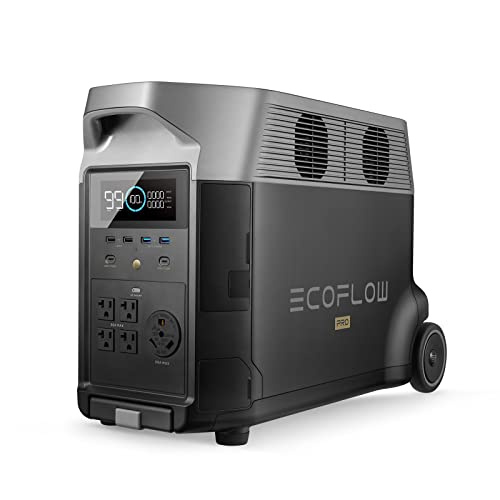
- Portable power station with USB-C and 12V outputs: Gives you enough stored energy to run a fan and light for a full night, with several output options for other devices. View on Amazon
FAQ
How long will a hidden fan camping light run on a power bank?
It depends on the bank’s watt-hour capacity and the fixture’s draw. A small USB fan with light often runs several hours on medium, but high speed with bright light can drain a small bank in a few hours. Calculate using the method in Step 3.
Can I run one from my vehicle battery?
Yes, if the fixture is rated for 12V. Use a fuse and avoid running it with the engine off for long periods, since that can leave you unable to start the vehicle.
Do these fixtures work in a closed tent?
They help, but airflow still matters. Open a vent on the opposite side of the fan so air can move through the shelter rather than just stirring the same warm air.
Is the light bright enough to read by?
Most integrated lamps are designed for general illumination rather than close reading. Check the lumen rating if the manufacturer lists it, and consider a separate reading light if you need more.
Can I leave it running while I sleep?
Only if the fixture is designed for unattended use and you have confirmed the power source can handle it. Set a timer or use a lower speed to extend runtime. Never leave battery-powered gear charging or running unattended in an enclosed space without checking manufacturer guidance.
What is the difference between a fan with light and a standalone lantern plus fan?
An integrated unit saves space and cables, while separate devices let you position each one independently and replace a failed component without replacing both. Your choice depends on how much flexibility you need.
Will the fan work with a solar panel?
Often yes, if the fixture runs on 12V or USB and the panel output is steady enough. Solar output varies with sun and clouds, so pair the setup with a battery to avoid flicker and sudden shutoffs.
Should I consult a professional for installation?
For hardwired 12V or roof-mounted installs, a qualified RV technician or electrician is a good choice, especially if you are unsure about fusing, wire gauge, or roof sealing.
Conclusion
A hidden fan camping light combines airflow and illumination in one compact fixture, which makes it useful in tents, campers, and vans. Pick the mounting spot and power source first, then calculate runtime from real watt-hour figures rather than the largest number on the label. Test the setup at home, keep wiring safe, and you will have a reliable way to stay cool and see your gear after dark.
Related reading
Ready to choose one?
About Colin Foster
Colin Foster is part of our editorial team and reviews and edits our off-grid power for camping, RV & vanlife guides, checking product details against manufacturer specifications and owner feedback.