 By Colin Foster
Updated November 2026
A camping lantern battery operated model gives you light without fuel, flames or a power hookup. This guide shows you how to match a lantern’s battery type and runtime to your trip length, how to estimate how many nights your batteries will last, and how to keep the lantern working once you are in the field.
Step 1: Decide What the Lantern Needs to Do
Start with the job, not the product. A lantern for a tent-side reading light needs very different output from one that lights a picnic table for a group. Most lanterns list output in lumens. As a rough guide, a few dozen lumens is enough for reading or finding the tent zipper, while a few hundred lumens lights a shared camp area. Brighter settings drain batteries faster, so pick the lowest level that still meets your needs.
Shopping for one? See our guide: 6 Best Coleman Camping Lantern Battery Options for Every Trip (2026).
Step 2: Understand Battery Types and Runtime
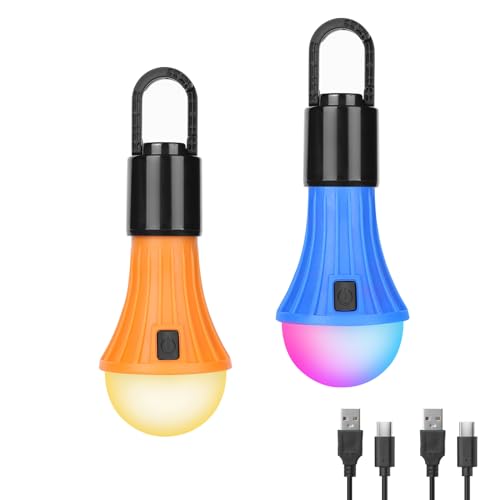
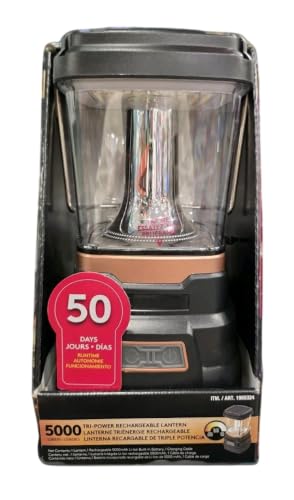
Battery-operated camping lanterns usually run on one of three setups: disposable alkaline cells (AA, C or D), rechargeable cells that fit a battery pack, or a built-in lithium battery you recharge by USB or a 12V adapter. Disposables are easy to replace anywhere. Built-in rechargeables cost less to run over a season but need a charged power source at camp.
Manufacturers usually state runtime by brightness level. Use the figure for the setting you actually plan to use, then build in a margin. A lantern rated for 40 hours on low will not give you 40 hours on high. Treat the printed number as a best case.
Step 3: Estimate Nights Per Set of Batteries
Use this simple method to plan your battery supply:
- Find the rated runtime in hours for the brightness you will use.
- Estimate how many hours per night the lantern will be on. For most campers, 3 to 5 hours is typical.
- Divide the runtime by the hours per night to get nights per set.
- Subtract about 20 percent as a safety margin for cold weather, which reduces battery output.
- Pack enough spare batteries or a charged power bank to cover your full trip.
Step 4: Set Up for Cold Weather and Long Trips
Alkaline and lithium cells both lose capacity in cold air, sometimes sharply below freezing. Keep spare cells in an inner pocket or sleeping bag stuff sack, not in an unheated vehicle. For multi-night trips, carry a small USB power bank that can top up a rechargeable lantern, and check the lantern’s manual for safe charging practices.
Recommended gear
A set of spare cells in the lantern’s required size keeps you covered if the built-in battery runs low. A small USB power bank lets you recharge a rechargeable lantern without a vehicle outlet. A lantern stand or hook lifts light to table height and spreads it more evenly.
- Spare AA or D alkaline batteries for a disposable-cell lantern: View on Amazon
- Compact USB power bank to recharge lantern batteries at camp: View on Amazon
- Telescopic lantern stand for raising light above the campsite: View on Amazon
Common Mistakes
- Running the lantern on its brightest setting all night, which shortens battery life sharply.
- Mixing old and new disposable batteries, which can leak or underperform.
- Planning battery life from the highest printed runtime instead of the setting you actually use.
- Storing spare batteries in a hot car, which can reduce their life and create leak risk.
- Forgetting to check the lantern’s manual for battery replacement and recharging instructions before the trip.
FAQ
How long does a battery operated camping lantern last on one set of batteries?
It depends on the brightness setting and the battery type. Check the rated runtime for the level you plan to use and reduce it by about 20 percent for cold conditions and real-world variation.
Are rechargeable or disposable batteries better for camping?
Disposables are easy to replace anywhere, while rechargeables cost less per night over a season but need a power source at camp. Many campers carry both for flexibility.
Can I use a camping lantern battery operated model in a tent?
Yes, but use only the brightness you need and keep the lantern away from flammable materials. Follow the manufacturer’s safety instructions, especially for lithium batteries.
Conclusion
A camping lantern battery operated model works best when you match its brightness and battery type to your trip. Estimate nights per set, pack spares with a cold-weather margin, and avoid running it on maximum. Check your lantern’s manual before you leave for specifics on its battery and charging requirements.
Related reading
- 5 Best Battery Operated Fan Camping Picks for Summer Nights (2026)
- 4 Best Battery Operated Fans for Camping: Our Picks Compared
- ZMNT LED Camping Lantern Review (2026): Is It Worth It?
- Top 7 Solar Powered LED Camping Lanterns for Power Outages and Trips
- Top 7 Solar Powered Camping Lanterns for Power Outages and Trips
Ready to choose one?
About Colin Foster
Colin Foster is part of our editorial team and reviews and edits our off-grid power for camping, RV & vanlife guides, checking product details against manufacturer specifications and owner feedback.