 By Lauren Holland
Updated November 2026
A power meter for RV use tells you what your rig is actually drawing from shore power, a generator or a pedestal, so you can avoid tripping breakers and overloading a 30-amp or 50-amp circuit. This list covers six monitors and inline meters sold on Amazon US. Each one was selected by reviewing listing specifications, brand reputation and the patterns owners commonly report, with attention to what the device measures, how it connects and whether it suits a particular hookup. We did not run these units ourselves, so treat the notes below as a summary of published specs and general owner feedback.
Our top picks at a glance
- 1
 TOP CHOICEBest overall50A AC Power Meter, 240V NEMA 14-50P to 14-50R Outlet Monitor | LCD DiView on Amazon
- 2
 TOP CHOICEBest for 30-amp rigs30A 125V AC Power Meter, NEMA TT-30P to TT-30R Outlet Monitor | MultifView on Amazon
- 3
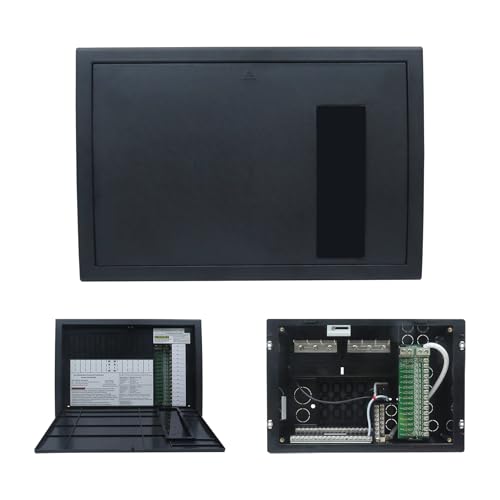
 TOP CHOICEBest for monitoring a full panelRV Power Outlet Box with Electric Energy Meter, RV Power Outlet Panel with BreakerView on Amazon
- 4
 Best for energy trackingDigital Electric Sub Meters for Landlords, 120/240V CL200 Single Phase 3 WireView on Amazon
- 5
 Best budget pickDigital Electric Meter, 240V 2 Wire KWH Meter, Watt Meter, Used for RV and Home MeterView on Amazon
- 6
 Best alternative outlet boxJINDOUZI RV Power Outlet Box with Electric Meter, RV Power Outlet PanelView on Amazon
Our Top Picks
Quick Comparison
| Product | Best for | Key feature |
|---|---|---|
| 50A AC Power Meter, 240V NEMA 14-50P to 14-50R Outlet Monitor | 50-amp RV hookups | LCD display of voltage, current, power factor |
| Digital Electric Sub Meters for Landlords, 120/240V CL200 | Tracking kWh over time | Single-phase kWh metering |
| 30A 125V AC Power Meter, NEMA TT-30P to TT-30R Outlet Monitor | 30-amp RV hookups | Voltage, current, frequency and power factor readout |
| RV Power Outlet Box with Electric Energy Meter | Permanent or semi-permanent installs | Built-in breaker and energy meter in one box |
| Digital Electric Meter, 240V 2 Wire KWH Meter | Budget-conscious users | Simple kWh and watt readout |
| JINDOUZI RV Power Outlet Box with Electric Meter | Owners wanting a combined outlet panel | NEMA TT-30R and 5-20 outlets with meter |
50A AC Power Meter, 240V NEMA 14-50P to 14-50R Outlet Monitor | LCD Display Digital Multimeter Tester
50A AC Power Meter, 240V NEMA 14-50P to 14-50R Outlet Monitor | LCD Display Digital Multimeter Tester with 1.3FT 10AWG Cable, Multifunction Energy Monitor Voltage Current Power Factor
Best for: 50-amp RV hookups where you want live voltage, current and power factor at the plug.
This is aimed at owners with a 50-amp rig who want to see what the pedestal is delivering and what the air conditioners and appliances are pulling. It sits inline between the cord and the outlet.
Key specs
- 240V NEMA 14-50P to 14-50R format
- LCD display for voltage, current and power factor
- Includes a 1.3 ft 10 AWG cable
Pros
- Shows live voltage, which helps spot low or unstable pedestal supply
- Compact inline format keeps cable runs short
- Multifunction readout covers several electrical checks at once
Cons
- The short included cable can be too short for some pedestal layouts
- It does not replace a dedicated surge protector
Bottom line: A strong first choice for 50-amp owners who want a clear view of incoming power.
View on AmazonDigital Electric Sub Meters for Landlords, 120/240V CL200 Single Phase 3 Wire
Digital Electric Sub Meters for Landlords, 120/240V CL200 Single Phase 3 Wire, Electricity Usage Meter, Power Energy Meter, kWh Sub Meter, ANSI Form 2S Electric Submeters for RV Power, Rental Units
Best for: Tracking kWh usage over days or weeks, such as comparing a stay at one site with another.
Designed as a sub-meter for rental units, this model fits owners who want a long-term energy record rather than a live plug-in monitor. It suits a permanent setup more than a quick campground check.
Key specs
- 120/240V single-phase, 3-wire configuration
- kWh energy metering
- ANSI Form 2S style submeter
Pros
- Good for logging total energy use over time
- Rugged, utility-style construction
- Useful when comparing usage across sites or seasons
Cons
- Requires more electrical knowledge to install than a plug-in monitor
- Overkill for owners who only want to check voltage at the pedestal
Bottom line: Best for owners with a fixed setup who care about cumulative kWh rather than instant readings.
View on Amazon30A 125V AC Power Meter, NEMA TT-30P to TT-30R Outlet Monitor | Multifunction Energy Monitor
30A 125V AC Power Meter, NEMA TT-30P to TT-30R Outlet Monitor | Multifunction Energy Monitor Voltage Current Frequency Power Factor, LCD Display Digital Multimeter Tester with Input Cable
Best for: 30-amp RV hookups that need voltage, current and frequency at a glance.
This is the 30-amp counterpart to the 50-amp inline monitor, suited to smaller travel trailers and motorhomes that plug into a TT-30 receptacle.
Key specs
- 125V, NEMA TT-30P to TT-30R format
- Displays voltage, current, frequency and power factor
- Includes an input cable
Pros
- Matches the common 30-amp RV plug style
- Frequency readout adds a check beyond basic voltage
- Simple plug-in setup
Cons
- Limited to 30-amp service, so it will not help 50-amp owners
- Readings are only as useful as your understanding of what normal values look like
Bottom line: The most practical pick for owners with a 30-amp rig who want live monitoring.
View on AmazonRV Power Outlet Box with Electric Energy Meter, RV Power Outlet Panel with Breaker
RV Power Outlet Box with Electric Energy Meter, RV Power Outlet Panel with Breaker, with NEMA 14-50R、TT-30R、5-20 RV Outlet Breaker Box, RV Outlet Box for RV Camper Trailer Electric Car Generator
Best for: A single box that combines outlets, a breaker and an energy meter for a permanent install.
This type of unit mounts as a panel rather than sitting inline, so it suits owners building out a garage, carport or hookup station. It is a bigger job than a plug-in meter.
Key specs
- Outlets listed in the name include NEMA 14-50R, TT-30R and 5-20
- Includes a breaker and electric energy meter
Pros
- Consolidates several outlets and metering in one enclosure
- Useful for mounting at a fixed location
- Covers multiple plug types
Cons
- Installation requires wiring knowledge and, usually, a licensed electrician
- Not portable, so it does not travel with you
Bottom line: Ideal for owners with a permanent site who want a panel-style monitor and outlet set.
View on AmazonDigital Electric Meter, 240V 2 Wire KWH Meter, Watt Meter, Used for RV and Home Meter
Digital Electric Meter,240V 2 Wire KWH Meter,Watt Meter, Used for RV and Home Meter
Best for: A low-cost way to log kWh and watts without a complex setup.
This is a straightforward digital meter for owners who mainly want to know how much energy their RV or home circuit is consuming.
Key specs
- 240V, 2-wire configuration
- KWH and watt measurement
Pros
- Simple readout that is easy to interpret
- Works for both RV and home circuits
- Budget-friendly option for basic monitoring
Cons
- Fewer diagnostic readings than multifunction monitors, such as power factor
- Installation details matter, so confirm wiring before connecting
Bottom line: A sensible choice when basic kWh and watt data is all you need.
View on AmazonJINDOUZI RV Power Outlet Box with Electric Meter, RV Power Outlet Panel
JINDOUZI RV Power Outlet Box, RV Power Outlet Panel with Electric Meter, with NEMA TT-30R、NEMA 5-20 RV Outlet Breaker Box, RV Outlet Box for RV Camper Trailer Motorhome Electric Car Generator
Best for: Owners wanting a combined outlet panel with metering and multiple plug types.
This panel-style unit is an alternative to the other outlet box, covering NEMA TT-30R and 5-20 outlets with a meter and breaker arrangement.
Key specs
- Outlets listed in the name include NEMA TT-30R and NEMA 5-20
- Includes electric meter and breaker box
Pros
- Multiple outlet types in one enclosure
- Good for mounting at a fixed hookup
- Covers RV, trailer and generator uses in the listing
Cons
- Needs proper installation, which usually means a qualified electrician
- Not suited to owners who want a plug-in monitor they can carry
Bottom line: A reasonable panel choice for a fixed RV or generator station.
View on AmazonBuying Guide
Match the Meter to Your Amperage
Check whether your rig uses a 30-amp (TT-30) or 50-amp (14-50) plug. A monitor built for one format will not fit the other, and mismatched adapters can create hazards. Confirm your plug type before buying.
Good picks for this: 50A AC Power Meter, 30A 125V AC Power Meter
Live Readings Versus Cumulative Energy
Some meters show live voltage and current, which helps you catch low or unstable pedestal power. Others log kWh over time, which helps you track consumption across a trip. Decide which question you are trying to answer.
Good picks for this: 50A AC Power Meter, Digital Electric Sub Meters for Landlords
Voltage, Current and Power Factor Readouts
Voltage tells you whether supply is in a healthy range, typically close to 120V on each leg of a 240V service. Current shows how many amps you are drawing. Power factor is a more advanced reading that can help diagnose inefficiency. Look for a display that shows the readings you actually need.
Good picks for this: 30A 125V AC Power Meter, 50A AC Power Meter
Permanent Install Versus Portable Use
Plug-in inline monitors travel with you and need no wiring. Panel-style outlet boxes are fixed and require installation. Choose based on whether you move every few days or stay put.
Good picks for this: RV Power Outlet Box with Electric Energy Meter, JINDOUZI RV Power Outlet Box
Cable Length and Fit
Measure the distance between your pedestal and your RV’s inlet. A short included cable may force awkward positioning. Plan for enough slack without creating a trip hazard.
Good picks for this: 50A AC Power Meter, 30A 125V AC Power Meter
Build Quality and Weather Exposure
Campground equipment sees rain, dust and temperature swings. Look for enclosures and connectors rated for outdoor use, and keep connections off the ground where possible.
Good picks for this: Digital Electric Sub Meters for Landlords, RV Power Outlet Box with Electric Energy Meter
Budget and Feature Trade-Offs
Simple kWh meters cost less but offer fewer diagnostic readings. Multifunction monitors add voltage, frequency and power factor. Pick the level of detail you will actually use.
Good picks for this: Digital Electric Meter, 240V 2 Wire KWH Meter
FAQ
What does a power meter for RV use actually measure?
Most units show voltage, current (amps), and sometimes power (watts), frequency or power factor. Some also accumulate kWh over time. The exact set depends on the model.
Do I need an electrician to install one?
Plug-in inline monitors generally do not require wiring. Panel-style outlet boxes and sub-meters do involve wiring, and a licensed electrician is the safer choice. Consult a professional before modifying any hookup.
Can a power meter protect my RV from surges?
Not necessarily. A meter reports conditions but may not block surges. For protection, use a dedicated surge protector in addition to any monitor.
What voltage should I see at the pedestal?
In North America, a healthy 240V service typically reads near 240V across the two legs, with roughly 120V on each leg. Readings that drop significantly under load can signal a problem with the pedestal or cord.
Is a 30-amp meter different from a 50-amp meter?
Yes. A 30-amp unit uses a TT-30 plug format, while a 50-amp unit uses a 14-50 format. Confirm the plug type on your RV before buying.
Will a power meter tell me how much my air conditioner uses?
A meter can show total current draw, which includes the air conditioner. Isolating its share requires turning other loads off during a test.
Are cheaper kWh meters accurate enough for RVs?
Basic meters are useful for trend tracking. For detailed diagnostics, a multifunction monitor gives more information.
Conclusion
For a 50-amp rig that needs live readings, the 50A inline monitor is the most direct choice. Owners with a 30-amp setup will be better served by the 30A monitor. If you have a fixed site and want energy logging, the sub-meter or a panel-style outlet box fits better. Choose based on plug type, whether you need live data or cumulative totals, and how permanent your setup is.
Sources
- Background on home and household energy measurement and kWh metering (energy.gov)
- Standards and safety guidance for electrical installations, including NEC principles (nfpa.org)
- Consumer product safety information on electrical hazards and recalls (cpsc.gov)
Related reading
- Wind Power for RV: 6 Best Turbine Kits for Campers (2026)
- Using a Portable Power Station in an RV or Camper Van
- Top 5 RV Storage with Power Options for Campers in 2026
- Top 5 55 Amp Power Converters for RV Options Compared (2026)
- Top 4 Midwest RV Power Pedestals for Campgrounds and Home RV Hookups
- Solar Power for RV Air Conditioning: How Many Panels You Really Need
About Lauren Holland
Lauren Holland is part of our editorial team and reviews and edits our off-grid power for camping, RV & vanlife guides, checking product details against manufacturer specifications and owner feedback.