 By Colin Foster
Updated November 2026
Shopping for the most economical camping fridge usually comes down to one question: how much cooling do you get for every watt-hour you spend? A fridge that sips power lets you run longer on a small battery or a modest solar panel, while a thirsty unit can drain a battery before the first night is over. The picks below were compared on the criteria that matter most for low-consumption camping: compressor type, reported power draw, usable capacity, temperature range, dual-zone flexibility and how well the design suits short trips and long stays alike.
Our top picks at a glance
- 1
 TOP CHOICEBest overallBougeRV Car Refrigerator with 240Wh LiFePO4 Battery, CRX3 30 QuartView on Amazon
- 2
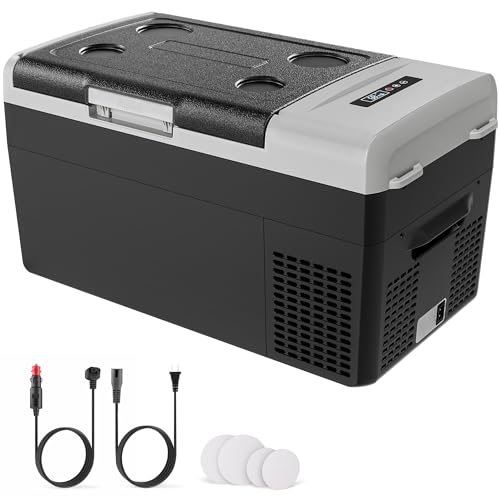 TOP CHOICEBest for small kitchensEKOJUCE 12V Refrigerator 22QT Portable Freezer Electric CoolerView on Amazon
- 3
 TOP CHOICEBest for dual-zone flexibilityzcamp GES55 Portable Freezer, Dual Zone 12 Volt Car Refrigerator, 43QTView on Amazon
- 4
 Best for ultralight travelICECO APL35 Dual Zone 12V Refrigerator, 37QT Aluminum Portable FreezerView on Amazon
- 5
 Best for larger groupsICECO JP50 Pro Portable Refrigerator, 12Volt Car Fridge Freezer, 51.7 QuartView on Amazon
Our Top Picks
Quick Comparison
| Product | Best for | Key feature |
|---|---|---|
| BougeRV Car Refrigerator CRX3 30 Quart | Off-grid trips needing built-in battery backup | 240Wh detachable LiFePO4 battery |
| EKOJUCE 12V Refrigerator 22QT | Small kitchens and solo campers | Compact 22-quart compressor cabinet |
| zcamp GES55 Portable Freezer 43QT | Split food storage between fridge and freezer | Dual-zone cooling |
| ICECO APL35 Dual Zone 12V Refrigerator 37QT | Lightweight setups and vehicle-based trips | Ultralight design with SECOP Nano compressor |
| ICECO JP50 Pro Portable Refrigerator 51.7 Quart | Families and groups over several nights | Largest capacity with multi-directional lid |
BougeRV Car Refrigerator with 240Wh LiFePO4 Battery, CRX3 30 Quart
Fast 12-Min Cool to 32℉, 35dB Low Noise, 12/24V DC 110V AC, Fridge or Freezer, 12v Cooler with Detachable Battery for Camping BougeRV Car Refrigerator with 240Wh LiFePO4 Battery, CRX3 30 Quart, -4℉~68
Best for: Off-grid trips needing built-in battery backup
This unit suits campers who want the fridge and its power source in one package, especially those without a reliable hookup at camp. Owners often report that the detachable battery makes it easier to move the fridge between a vehicle and a campsite.
Key specs
- 30-quart capacity
- Temperature range listed as -4°F to 68°F
- 240Wh LiFePO4 battery included
- 12/24V DC and 110V AC operation
Pros
- Built-in battery reduces dependence on a vehicle or power station
- Detachable battery is convenient for moving between locations
- Fridge or freezer mode gives flexibility
Cons
- Battery capacity is modest for running the fridge for multiple days without recharging
- Heavier than the smallest units on this list
Bottom line: Best for campers who want a self-contained system and value the ability to run without a vehicle connection.
View on AmazonEKOJUCE 12V Refrigerator 22QT Portable Freezer Electric Cooler
EKOJUCE 12V Refrigerator 22QT Portable Freezer Electric Cooler | Compressor Cooling, -4°F~68°F Portable Fridge for Camping, RV, Outdoor & Travel
Best for: Small kitchens
A compact 22-quart cabinet suits solo campers, couples or weekend trips where food volume is limited. Its small footprint means less cooling mass to maintain, which helps keep energy use in check.
Key specs
- 22-quart capacity
- Compressor cooling
- Temperature range listed as -4°F to 68°F
- 12V DC operation for vehicle and battery use
Pros
- Small size fits tight vehicle spaces
- Compressor design suits 12V battery use
- Usable for both fridge and freezer tasks
Cons
- Limited storage for groups or longer stays
- Less room for bulky items
Bottom line: A strong fit for minimalist campers who want the lowest practical energy demand for a short trip.
View on Amazonzcamp GES55 Portable Freezer, Dual Zone 12 Volt Car Refrigerator, 43QT
zcamp GES55 Portable Freezer,Dual Zone 12 Volt Car Refrigerator,43QT(41L) 12v cooler Fast Cooling Fridge, with 12/24V DC 100-240V AC for Camping, Outdoor, Travel, RV, Truck
Best for: Dual-zone flexibility
Campers who need one zone at fridge temperature and another for frozen food will find this layout useful. Dual-zone units can be efficient in practice when you keep the freezer side set only as cold as needed.
Key specs
- 43-quart (41L) capacity
- Dual-zone cooling
- 12/24V DC and 100–240V AC operation
Pros
- Separate zones let you keep frozen and chilled food apart
- Multi-voltage input suits vehicles and home-style outlets
- Mid-size capacity balances storage and draw
Cons
- Two zones mean more cooling to manage, so setpoints matter
- Larger than the smallest models
Bottom line: A practical choice for campers who need freezer space without buying a second appliance.
View on AmazonICECO APL35 Dual Zone 12V Refrigerator, 37QT Aluminum Portable Freezer
ICECO APL35 Dual Zone 12V Refrigerator, 37QT Aluminum Portable Freezer | ICECOxJeep Limited Edition, Ultralight Design, DC & AC Power, SECOP Nano Compressor, Car Fridge for Travel Camping
Best for: Ultralight travel
The aluminum build and listed ultralight design make this a sensible pick for those who carry the fridge in and out of a vehicle often. The SECOP Nano compressor named in the listing is a well-known compressor family for portable fridges.
Key specs
- 37-quart capacity
- Dual-zone design
- Aluminum body
- DC and AC power options
Pros
- Lightweight build eases handling
- Compressor type suits efficient 12V operation
- Dual zones add flexibility
Cons
- Smaller interior than the largest option here
- Aluminum exterior may show marks over time
Bottom line: Good for travelers who prioritize portability and want efficient compressor cooling in a moderate footprint.
View on AmazonICECO JP50 Pro Portable Refrigerator, 12Volt Car Fridge Freezer, 51.7 Quart
ICECO JP50 Pro Portable Refrigerator,12Volt Car Fridge Freezer, Compact Refrigerator with Secop Compressor, for Outdoor, Camping 51.7 Quart, -4℉~68℉, DC 12/24V, AC 110/240V, Multi-directional Lid
Best for: Larger groups
When food volume is the main concern, the largest capacity on this list is the most relevant. Owners of larger units often note that a fuller fridge holds temperature better, though a bigger cabinet also draws more energy.
Key specs
- 51.7-quart capacity
- Temperature range listed as -4°F to 68°F
- DC 12/24V and AC 110/240V operation
- Multi-directional lid
Pros
- Largest capacity for groups and longer trips
- Multi-voltage input
- Multi-directional lid eases access in tight spaces
Cons
- Higher energy draw than smaller cabinets
- Heavier and bulkier to move
Bottom line: Best for families or groups who need volume and accept a larger power budget in exchange.
View on AmazonBuying Guide
Compressor type and energy efficiency
Compressor fridges generally use far less energy than thermoelectric coolers, which struggle to hold a set temperature in hot weather. Look for a listed compressor and a stated DC current draw. A lower amp rating at your operating temperature usually means a lighter load on your battery.
Good picks for this: ICECO APL35 Dual Zone 12V Refrigerator, EKOJUCE 12V Refrigerator 22QT
Capacity versus power draw
Bigger cabinets hold more food but also have more air and thermal mass to cool. Match capacity to the number of people and the length of the trip. For a solo weekend, a 20 to 25 quart unit often covers the job. Larger groups may need 40 quarts or more, accepting the higher draw.
Good picks for this: EKOJUCE 12V Refrigerator 22QT, ICECO JP50 Pro Portable Refrigerator
Dual-zone versus single-zone design
Dual-zone units let you keep frozen and chilled food separate, which can reduce wasted cooling when you only need one zone. A single-zone fridge is simpler and sometimes lighter. Decide whether you truly need frozen storage before paying the energy cost of a second zone.
Good picks for this: zcamp GES55 Portable Freezer, ICECO APL35 Dual Zone 12V Refrigerator
Battery integration and power source
A fridge with an included battery can simplify setup but adds weight and a separate charging plan. If you already own a power station or a vehicle with a dedicated auxiliary battery, a fridge without a built-in battery may be the more economical choice. Calculate daily watt-hour use against your battery size before deciding.
Good picks for this: BougeRV Car Refrigerator with 240Wh LiFePO4 Battery, ICECO JP50 Pro Portable Refrigerator
Size, weight and fit
Measure the space in your vehicle or camp setup before buying. Portable units with handles and lightweight bodies are easier to load, but compact cabinets can still be heavy once full. Check the listed dimensions and weight, and leave room for airflow around the compressor vents.
Good picks for this: ICECO APL35 Dual Zone 12V Refrigerator, EKOJUCE 12V Refrigerator 22QT
Temperature range and ambient conditions
A wide listed range, such as -4°F to 68°F, gives flexibility for both chilled and frozen storage. Remember that fridges work harder in hot ambient temperatures. Shade, ventilation and pre-chilling the unit before loading all reduce the energy needed to hold temperature.
Good picks for this: BougeRV Car Refrigerator with 240Wh LiFePO4 Battery, ICECO JP50 Pro Portable Refrigerator
Durability and care
Look for sturdy latches, a well-sealed lid and accessible vents. Keep the compressor area clear of dust and debris, and avoid blocking airflow. Consult the manufacturer’s manual for maintenance steps and warranty terms, and consider a qualified technician for any electrical repairs.
Good picks for this: ICECO JP50 Pro Portable Refrigerator, zcamp GES55 Portable Freezer
FAQ
What makes a camping fridge the most economical choice?
Economy depends on the energy used per day to hold your target temperature. Compressor designs, appropriate capacity, good insulation and avoiding unnecessary freezer zones all reduce daily watt-hour use. The best value is the unit that meets your storage needs with the lowest practical draw.
Is a compressor fridge more efficient than a cooler?
In most camping conditions, a compressor fridge holds temperature more reliably than a passive cooler or thermoelectric unit. A compressor cycles on and off to maintain a set point, which typically uses less total energy than a cooler that needs constant ice replenishment.
How do I estimate daily power use?
Check the listed DC amp draw and multiply by the voltage and hours of operation. Real use varies with ambient heat, door openings and load. Many campers find that the compressor runs a fraction of the time, so measuring actual consumption with a battery monitor gives the most accurate number.
Should I choose a dual-zone fridge for camping?
Choose dual-zone only if you need both frozen and chilled food. If you rarely freeze items, a single-zone fridge is usually simpler and uses less energy overall.
Can a small battery run a 12V camping fridge?
Yes, but runtime depends on battery capacity, fridge draw and ambient temperature. Consult a qualified electrician or the battery manufacturer before wiring a system, especially for lithium batteries, to ensure correct fusing and charging.
Does ambient temperature affect fridge efficiency?
Yes. Fridges work harder in hot weather, so shade, ventilation and keeping the lid closed help reduce energy use. Pre-chilling the unit before loading also lowers the initial draw.
How long should I expect a camping fridge to last?
Lifespan varies with use, care and environment. Keeping vents clear, cleaning the interior and avoiding continuous operation in extreme heat all support longevity. Check the manufacturer’s warranty for coverage details.
Conclusion
For the most economical camping fridge, start with the energy you can spare each day, then match capacity to your group. The BougeRV unit suits campers who want an integrated battery, the EKOJUCE 22-quart model fits small kitchens, and the zcamp GES55 is useful for split fridge-and-freezer needs. The ICECO APL35 favors lightweight travel, while the ICECO JP50 Pro serves larger groups who accept a bigger power budget. Measure your daily watt-hours before you buy, and the right fit becomes much clearer.
Sources
- Guidance on energy-efficient appliances and how to compare energy use (energy.gov)
- Consumer safety information for electrical appliances and portable devices (cpsc.gov)
- Safety certification standards relevant to portable electrical appliances (ul.com)
Related reading
- What Is the Most Efficient 12V Fridge? How to Judge It for Camping
- Most Energy Efficient 12V Fridge: How to Judge Power Draw for Camping
- Most Efficient 12V Fridge: 5 Best Picks for Camping and Vanlife (2026)
- Most Efficient 12V Compressor Fridge: 5 Best Picks for Camping (2026)
- Running a 12V Fridge While Camping: Power Draw and Battery Size
- Best 12V Camping Fridges
- Will a Solar Panel Run a 12V Fridge? Panel Sizing Guide for Camping
About Colin Foster
Colin Foster is part of our editorial team and reviews and edits our off-grid power for camping, RV & vanlife guides, checking product details against manufacturer specifications and owner feedback.