By Colin Foster
Updated November 2026
Lighting a camping lantern is simple once you know which type you have. This guide walks through how to light a camping lantern for the three most common styles: liquid fuel, propane, and battery-powered LED. By the end, you will know how to start the light, check it is burning cleanly, and shut it down safely.
Identify Your Lantern Type First
The lighting method depends entirely on the fuel source. Check the base, the fuel tank, or the packaging before you start.
Shopping for one? See our guide: Top 7 Solar Powered Camping Lanterns for Power Outages and Trips.
- Liquid fuel (white gas or Coleman-style fuel): Has a fuel tank, a pump, and a mantle that glows once lit.
- Propane: Connects to a small disposable canister or a refillable tank, usually with a knob or a push-button igniter.
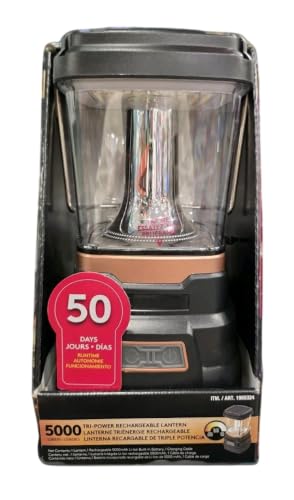
- Battery or rechargeable LED: Has a power button or a light switch and no flame at all.
How to Light a Liquid Fuel Lantern
Liquid fuel lanterns take a few minutes of preparation because the fuel has to vaporize before it ignites.
- Set the lantern on a flat, stable surface away from wind, tent walls, and dry grass.
- Confirm the fuel tank is full enough for the planned burn. Keep the cap closed.
- Open the fill valve and pump the tank about 10 to 15 times until you feel firm resistance.
- Open the generator valve and fill the priming cup with fuel, then light it. Let it burn for about 60 seconds to warm the generator tube.
- Close the generator valve once the priming fuel is nearly gone. Open the main valve slowly.
- Light the mantle with a long match or lighter. It should glow bright white within a few seconds.
- If the flame is yellow or sooty, the mantle or generator is not fully warmed. Let it burn a bit longer.
How to Light a Propane Lantern
Propane is the easiest flame-based option and needs no priming. Make sure the connection is secure before you open any valve.
- Screw the propane cylinder into the lantern base until it is snug and finger-tight, then check that the O-ring seats properly.
- Turn the control knob slowly to the on position.
- Press the igniter or hold a lit match near the mantle.
- Adjust the knob until the mantle glows evenly. Smaller flame settings extend cylinder life.
How to Turn On a Battery or Rechargeable Lantern
LED lanterns have no fuel, no mantle, and no ignition step. Check the battery level first, then press the power or mode button. Most models cycle through brightness settings with repeated presses. Hold the button if you need to lock into the lowest or highest level, depending on the model. If the light flickers or does not come on, check the battery or charge the unit before assuming a fault.
Safety Checks Before You Light Any Lantern
Flame lanterns produce heat and carbon monoxide in enclosed spaces. Use them only in well-ventilated areas, never inside a closed tent or vehicle. Keep the lantern at least a few feet from fabric, and never refuel a hot or lit lantern. Manufacturers typically specify minimum clearances and ventilation requirements in the owner’s manual, so read that first. If you notice a fuel smell, leaks, or unusual flame behavior, shut the lantern off and let it cool. For any concerns about gas safety or carbon monoxide exposure, consult a qualified professional.
Common Mistakes and Tips
- Skipping the priming step on liquid fuel lanterns, which leads to a yellow, sputtering flame.
- Pumping too hard, which can overpressurize the tank and cause leaks.
- Lighting the mantle before the generator is warm, which can crack or burn the mantle.
- Forgetting to check the propane O-ring, which is a common source of gas leaks.
- Assuming a dim LED is dead. Often it simply needs a recharge or a button press to reach full brightness.
Recommended Gear
- Long-reach utility lighter: Keeps your hand clear of the flame when lighting a mantle, especially inside a lantern housing. View on Amazon
- Replacement mantles for your lantern model: Worth keeping in your kit, since mantles are fragile and wear out over time. View on Amazon
- Rechargeable LED camping lantern: A flame-free option for tents and quick trips where ventilation is limited. View on Amazon
If you are weighing flame against battery options, Top 6 Best Rechargeable Camping Lanterns Compared for Every Trip covers the tradeoffs in more detail, and Rechargeable Camping Lantern 1000 Lumens: A Practical Guide (2026) explains how brightness affects runtime.
FAQ
Why does my liquid fuel lantern keep going out?
The most common cause is incomplete priming or low tank pressure. Pump the tank again and make sure the generator was properly warmed before opening the main valve.
Can I light a propane lantern indoors?
Only in a space with strong ventilation, and never in a sealed tent or cabin. Propane combustion produces carbon monoxide, so open airflow is essential.
How do I know if my lantern is ready to light?
For flame lanterns, check that fuel is present, valves are closed until you are ready, and there are no leaks or fuel smells. For LED lanterns, confirm the battery has charge before pressing the power button.
Conclusion
Lighting a camping lantern is a matter of matching the method to the fuel type. Liquid fuel needs priming, propane needs a secure connection, and LED models just need a button press. Work through the safety checks each time, and your lantern will light reliably at every campsite.
Related reading
- How Much Power Do USB Camping Devices Use? Fans, Lanterns and Heated Gear
- ZMNT LED Camping Lantern Review (2026): Is It Worth It?
- Top 7 Solar Powered LED Camping Lanterns for Power Outages and Trips
Ready to choose one?
About Colin Foster
Colin Foster is part of our editorial team and reviews and edits our off-grid power for camping, RV & vanlife guides, checking product details against manufacturer specifications and owner feedback.