 By Lauren Holland
Updated November 2026
A Foval 150W car power inverter turns your vehicle’s 12V DC power into household-style 120V AC, so you can run small devices like phone chargers, a laptop, LED lights or a compact fan while parked. This guide shows you how to confirm the inverter fits your needs, connect it without overloading your system, and estimate how long it will run before your battery needs a recharge.
Step 1: Confirm the Rating Fits Your Devices
A 150W inverter gives you roughly 150 watts of continuous output, with a higher short-term surge. Add up the wattage listed on the labels of everything you plan to run at the same time. A laptop charger often draws 60 to 90 watts, while a phone charger draws far less. If your total is near or above 150 watts, the inverter will shut off or overheat, so reduce the load or choose a larger unit.
Shopping for one? See our guide: 7 Best Power Inverter Car Adapter Picks: Options Compared (2026).
Step 2: Estimate Your Battery Runtime
Battery runtime depends on your load and your battery’s usable capacity. A rough formula is: battery amp-hours multiplied by 12 volts, divided by the load in watts, then reduced by about 15 percent for inverter losses. A typical starting car battery is not meant for deep discharge, so limit use with the engine off. Keep the engine running for long sessions, or the battery may not start the vehicle again.
- Phone and tablet charging: a few watts each, minimal drain
- Laptop charging: around 60 to 90 watts, noticeable drain
- LED lighting: usually under 10 watts, very light drain
Step 3: Connect the Inverter Safely
Plug the inverter into the 12V accessory socket, or connect its clamps directly to the battery if your model includes them. Direct battery connection gives a more stable supply, but it requires an inline fuse close to the positive terminal. Never run an undersized wire, and never use a damaged cable. Keep the unit on a hard, dry surface with at least a few inches of clearance so air can circulate around the cooling vents.
Step 4: Use It at Camp Without Draining Your Battery
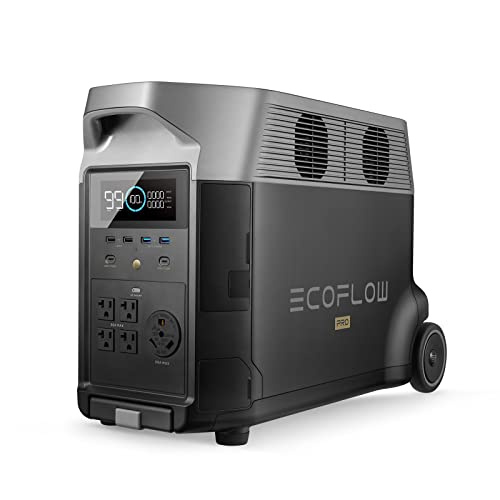
If you are camping with the engine off, plan around a dedicated power source instead of your starter battery. A portable power station with its own battery is a more practical choice for long evenings, while the car inverter works best for short tasks during a drive or with the engine running. Shut the inverter off when not in use, since many models draw a small standby current even with nothing plugged in.
Common Mistakes
- Plugging in a space heater, microwave or hair dryer, which exceed a 150W rating.
- Running the inverter for hours with the engine off and leaving yourself without enough power to restart.
- Using a thin extension cord, which can heat up and cause a fire risk.
- Ignoring the fuse rating when wiring directly to the battery.
- Assuming a surge rating means the inverter can run that load continuously.
Recommended Gear
A dedicated battery monitor helps you track voltage so you know when to start the engine before your battery gets too low. View on Amazon
A short, heavy-gauge DC extension cable reduces voltage drop between the vehicle socket and the inverter when you need to place it farther away. View on Amazon
A portable power station covers camp use when the engine is off, so your car battery stays fully charged for starting. View on Amazon
FAQ
Can a Foval 150W inverter run a mini fridge?
Most compact fridges draw more than 150 watts when the compressor starts, so a 150W inverter is generally too small for them. A 12V DC fridge that runs directly from the vehicle is usually a better match.
Should I run the inverter with the engine on?
Yes, for anything beyond short use. Running the engine keeps the battery charged and reduces the risk of being unable to start the vehicle later.
Does the inverter drain the battery when nothing is plugged in?
Many inverters draw a small standby current even when idle. Switch the unit off at the power button when you are not using it, and disconnect it entirely during long periods of parking.
Conclusion
A Foval 150W car power inverter works well for small electronics when you match the load to its rating and watch your battery level. Calculate your total wattage, keep the engine running for longer sessions, and use a dedicated power station for camp nights. Consult a qualified auto electrician if you are unsure about wiring the inverter directly to your battery.
Related reading
- Foval 200W Car Power Inverter: Setup, Sizing and Safe Use
- 150W Car Power Inverter: How to Size, Wire and Use One Safely
- USB Power Inverter for Car: How to Choose, Wire and Use One Safely
- Small Car Power Inverter: How to Size, Wire and Use One Safely
- Power Inverter for the Car: A Practical Guide (2026)
- Power Inverter for Car 1500 Watt: How to Size, Wire and Use One Safely
Ready to choose one?
About Lauren Holland
Lauren Holland is part of our editorial team and reviews and edits our off-grid power for camping, RV & vanlife guides, checking product details against manufacturer specifications and owner feedback.