By Lauren Holland
Updated November 2026
A portable power station for CPAP camping has to do one job well: keep your machine running through the night without a hookup. Sleep apnea therapy can’t skip a night, and a campsite rarely has an outlet near the tent. This guide compares five units by the criteria that matter most for CPAP use: usable watt-hours, how many nights a typical CPAP draw will last, whether the AC output produces a clean pure sine wave, how much the unit weighs, and whether dedicated CPAP battery options are included. Each pick is research-based, drawn from manufacturer specifications, brand reputation and common owner feedback patterns. We have not tested these units ourselves.
Our top picks at a glance
- 1
 TOP CHOICEBest overallEnginStar Portable Power Station 300W 296Wh Solar GeneratorView on Amazon
- 2
 TOP CHOICEBest for dedicated CPAP battery useEASYLONGER ES270 CPAP Battery for Air-travelView on Amazon
- 3
 TOP CHOICEBest budget pickMARBERO Portable Power Station 300W 237Wh Camping Solar GeneratorView on Amazon
- 4
 Best for multi-night tripsEASYLONGER CPAP Battery Backup ES960, 297.6Wh LiFePO4 Battery PackView on Amazon
- 5
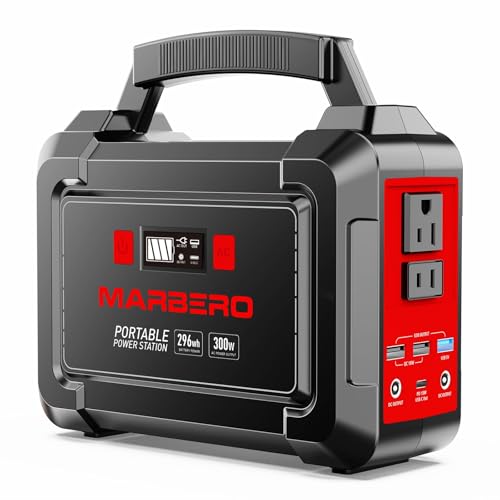 Best for extra gear and lightingMARBERO Portable Power Station 350W Peak 296Wh Camping Solar GeneratorView on Amazon
Our Top Picks
| Product | Best for | Key feature |
|---|---|---|
| EnginStar Portable Power Station 300W 296Wh | Overall CPAP camping | Pure sine wave AC outlet with solar input |
| EASYLONGER ES270 CPAP Battery | Dedicated CPAP battery use | Compact 99.9Wh battery built for CPAP |
| MARBERO Portable Power Station 300W 237Wh | Budget-conscious campers | Multiple USB and DC ports |
| EASYLONGER CPAP Battery Backup ES960 | Multi-night trips | 297.6Wh LiFePO4 pack with cables included |
| MARBERO Portable Power Station 350W Peak 296Wh | Camping with extra gear | 350W peak output and built-in LED flashlights |
EnginStar Portable Power Station 300W 296Wh Solar Generator
EnginStar Portable Power Station 300W 296Wh Solar Generator | Pure Sine Wave AC Outlet for Outdoors Camping Travel and Emergency Blackout, 80000mAh Backup Battery Power Supply for CPAP
Best for: Overall CPAP camping
This is a good fit for campers who want a single unit that handles CPAP, phone charging and a small fan or light without juggling separate batteries.
Key specs
- 296Wh capacity, 300W rated AC output
- Pure sine wave AC outlet
- Solar input for recharging at camp
Pros
- Pure sine wave output suits CPAP electronics
- Covers several nights of typical CPAP draw on a single charge
- Solar input allows recharging on multi-day trips
Cons
- Heavier than dedicated CPAP batteries
- Solar recharge speed depends heavily on weather
Bottom line: The most practical all-round choice if you want one power source for CPAP plus everyday camp gear.
View on AmazonEASYLONGER ES270 CPAP Battery for Air-travel
EASYLONGER ES270 CPAP Battery for Air-travel, 99.9Wh CPAP Power Bank | 1-Night CPAP Battery for Camping, TSA Approved, Lithium-ion battery for AirMini, AirSense 11/10, AirCurve 11/10, DreamStation
Best for: Dedicated CPAP battery use
Best suited to short trips or campers who mainly need one overnight of CPAP power and want something small enough to pack in a day bag.
Key specs
- 99.9Wh capacity
- Designed for CPAP use, marketed as TSA approved
- Lithium-ion battery built for listed CPAP models
Pros
- Very compact and light
- Designed specifically for CPAP machines
- Useful as a backup even on trips where a larger station is packed
Cons
- Roughly one night of runtime, so not ideal for long trips alone
- Limited capacity for running anything beyond the CPAP
Bottom line: A strong pick for weekend trips or as a secondary backup, less so as your only power source for a week in the woods.
View on AmazonMARBERO Portable Power Station 300W 237Wh Camping Solar Generator
Portable Power Station 300W MARBERO 237Wh Camping Solar Generator Backup Lithium Battery with Pure Sine Wave 110V AC Outlet, USB C, USB A, DC for Outdoors Camping CPAP Home Blackout Emergency
Best for: Best budget pick
Suits campers who want a capable unit for CPAP plus phones and lights without paying for premium features they won’t use.
Key specs
- 237Wh capacity, 300W rated output
- Pure sine wave 110V AC outlet
- USB-C, USB-A and DC outputs
Pros
- Pure sine wave output for CPAP compatibility
- Multiple port types cover most camp gear
- Lighter than the larger 296Wh options
Cons
- Lower capacity means fewer CPAP nights per charge
- Owners often recommend keeping a spare charge source for longer trips
Bottom line: A sensible budget choice for overnight or two-night trips where you’ll have some way to recharge.
View on AmazonEASYLONGER CPAP Battery Backup ES960, 297.6Wh LiFePO4 Battery Pack
EASYLONGER CPAP Battery Backup ES960, 297.6Wh LiFePO4 Battery Pack | Up to 3-Night Runtime, Cables Included for S9, AirSense 11/10, AirMini, DreamStation /2, Camping, RV & Emergency Blackout Use
Best for: Best for multi-night trips
Designed for campers who want a longer runtime specifically for CPAP and are willing to carry a slightly larger battery pack.
Key specs
- 297.6Wh LiFePO4 battery pack
- Listed runtime up to three nights
- Cables included for listed CPAP models
Pros
- LiFePO4 chemistry is known for long cycle life
- Cables for listed CPAP models are included
- Good runtime for the weight
Cons
- Runtime figures depend on your CPAP settings and humidifier use
- Fewer general-purpose outlets than a full power station
Bottom line: A focused option for longer CPAP-only stays, especially for RV or base-camp setups.
View on AmazonMARBERO Portable Power Station 350W Peak 296Wh Camping Solar Generator
MARBERO Portable Power Station 350W Peak Camping Solar Generator Laptop Charger 296Wh Power Bank with AC Outlet 110V with Multi-Output LED Flashlights for CPAP Home Camping Hurricane Emergency
Best for: Best for extra gear and lighting
Good for campers who want CPAP power plus a fan, laptop or lantern in the same unit.
Key specs
- 296Wh capacity
- 350W peak AC output with 110V outlet
- Built-in LED flashlights
Pros
- Peak output gives headroom for small appliances
- Integrated lighting is handy at camp
- Same capacity as the other 296Wh units with more outlets
Cons
- Peak wattage is not sustained output, so check your CPAP’s rated draw
- Running extra gear shortens CPAP nights noticeably
Bottom line: Best for campers who value multi-use gear, as long as they plan around the reduced CPAP runtime.
View on AmazonBuying Guide
Watt-hour capacity and CPAP runtime
Capacity in watt-hours (Wh) is the most useful number to compare. Divide the usable Wh by your CPAP’s average draw in watt-hours per night to estimate runtime. Real results vary with humidifier use, ramp settings and battery age, so build in a margin.
Good picks for this: EnginStar Portable Power Station 300W 296Wh, EASYLONGER CPAP Battery Backup ES960
Pure sine wave output
CPAP machines and their humidifiers are electronic devices that generally expect clean AC power. Look for pure sine wave output rather than modified sine wave, and confirm that the listing states it.
Good picks for this: MARBERO Portable Power Station 300W 237Wh, EnginStar Portable Power Station 300W 296Wh
Dedicated CPAP compatibility
Some batteries are built around specific CPAP models and include matching cables. If your machine is on the manufacturer’s list, a dedicated battery can be simpler to set up than a general station.
Good picks for this: EASYLONGER ES270 CPAP Battery for Air-travel, EASYLONGER CPAP Battery Backup ES960
Weight and portability
Larger capacity means more weight. Think about how far you’ll carry the unit from the car to your site, and whether you’ll move it between tent and vehicle at night.
Good picks for this: EASYLONGER ES270 CPAP Battery for Air-travel, MARBERO Portable Power Station 300W 237Wh
Output ports and extra gear
If you plan to charge phones, run a fan or power lights, check for USB-C PD, USB-A and DC outputs. Every extra load reduces the CPAP runtime, so count them into your plan.
Good picks for this: MARBERO Portable Power Station 350W Peak 296Wh, MARBERO Portable Power Station 300W 237Wh
Battery chemistry and durability
LiFePO4 batteries are generally associated with longer cycle life than some other lithium chemistries. Store the unit at partial charge in a cool, dry place between trips, and avoid leaving it in a hot car.
Good picks for this: EASYLONGER CPAP Battery Backup ES960, EnginStar Portable Power Station 300W 296Wh
Recharging options
Plan how you’ll recharge: a car outlet, solar panels or a campground hookup. Solar recharge speed depends on panel wattage and sun, so it rarely matches a wall charger.
Good picks for this: EnginStar Portable Power Station 300W 296Wh, MARBERO Portable Power Station 300W 237Wh
FAQ
How many nights of CPAP can a 296Wh power station run?
It depends on your machine’s average energy use, humidifier settings and ramp. Many CPAP users find a unit of this size covers one to several nights, but you should calculate from your own device’s rated draw and leave a margin.
Do I need a pure sine wave power station for CPAP?
Pure sine wave output is generally the safer choice for CPAP machines and humidifiers, since it resembles household power. Check your device manual for its power requirements.
Can I charge a CPAP battery from a car?
Many units recharge from a 12V car outlet, but charging while the engine is off can drain your starting battery. Consult your vehicle manual and the power station manual before doing this.
Is it safe to run a CPAP inside a tent with a power station?
Lithium batteries should be kept dry, ventilated and away from heat sources. Never run a power station in a closed tent with fuel appliances nearby. For guidance tailored to your health, consult your sleep physician or equipment provider.
Should I bring a backup battery in addition to a power station?
For multi-night trips, many campers carry a spare battery or a second charging option, since a single charge may not last the whole trip or a storm may block solar recharging.
Will running a fan or lights shorten CPAP runtime?
Yes. Every additional load draws from the same battery, so CPAP nights decrease. Prioritize the CPAP and add other devices only if capacity allows.
Conclusion
For most campers, the EnginStar Portable Power Station 300W 296Wh is the most balanced choice for CPAP plus everyday gear. If you only need one night and want something very light, the EASYLONGER ES270 CPAP Battery for Air-travel fits. The MARBERO Portable Power Station 300W 237Wh suits tighter budgets, the EASYLONGER CPAP Battery Backup ES960 suits longer CPAP-only stays, and the MARBERO Portable Power Station 350W Peak 296Wh works for campers who want extra outlets and lighting.
Sources
- Guidance on battery storage, energy use and safe home and portable power practices (energy.gov)
- Consumer safety information on lithium-ion battery hazards and recalls (cpsc.gov)
- Sleep apnea therapy resources and CPAP equipment guidance
Related reading
- When You Need a Large Power Station for Camping
- Small Power Stations for Tent Camping: What Under 500 Wh Can Run
- Medium Power Stations (500 to 1500 Wh) for Camping
- How to Store Power Stations and Camping Batteries Between Trips
About Lauren Holland
Lauren Holland is part of our editorial team and reviews and edits our off-grid power for camping, RV & vanlife guides, checking product details against manufacturer specifications and owner feedback.