By Colin Foster
Updated November 2026
A 12V fridge anderson plug connection lets you attach your fridge to a battery, solar setup or vehicle power source quickly and without rewiring every time you move. This guide walks through choosing the right plug and wire gauge, assembling the connection, and checking it before you trust it with food. Most of the work is simple, but the wire size and fusing decisions matter a lot.
What an Anderson Plug Does for a 12V Fridge
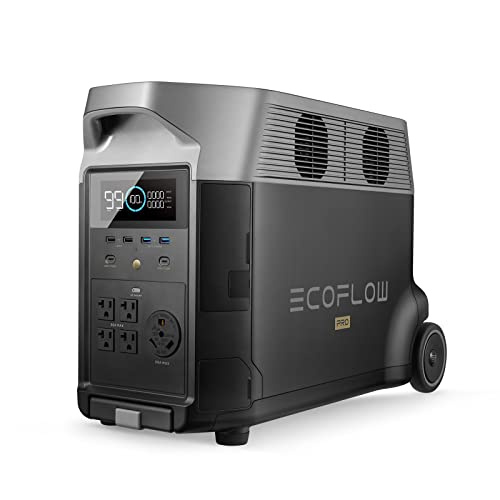
An Anderson connector is a modular, high-current plug, usually rated for 50 to 175 amps depending on the series. Its polarized shell makes it hard to connect backward, and it lets you disconnect your fridge from the battery without stripping and re-wiring. Many campers use a 12V fridge to Anderson plug adapter so the fridge can run from a dedicated battery bank, a portable power station, or a vehicle outlet that already has an Anderson socket.
Shopping for one? See our guide: 9 Best 12V Fridges for Camper Buyers Compared (2026).
Choose the Right Plug and Wire Gauge
Start with the fridge’s rated current draw, which the manufacturer lists on the nameplate or in the manual. Then size the wire for the length of the run, not just the amperage. Longer runs lose more voltage, and undersized wire can make a compressor fridge struggle to start.
| Run length (one way) | Typical wire gauge for a 5 to 10 amp fridge |
|---|---|
| Under 10 feet | 12 AWG |
| 10 to 20 feet | 10 AWG |
| 20 to 30 feet | 8 AWG |
Check these figures against your fridge’s specifications, since compressor models vary. If you are unsure, a qualified electrician or your fridge manufacturer can confirm the right gauge for your setup.
Step-by-Step: Wiring the Connection
- Disconnect all power sources before touching any wire.
- Cut the fridge’s power cable to the length you need, leaving a little slack for mounting.
- Strip about 3/8 inch of insulation from each conductor and crimp a ring or spade terminal on the ends.
- Crimp the positive and negative contacts into the Anderson housing, matching the red wire to the positive pole and the black wire to the negative pole.
- Install an inline fuse or breaker within 7 inches of the battery positive terminal, sized to the wire gauge and fridge draw.
- Snap the two halves of the Anderson connector together and check that the locking tab seats fully.
- Reconnect power and confirm the fridge starts, then check the wire for warmth after 30 minutes of running.
Common Mistakes and Tips
- Skipping the fuse. An unfused run can overheat or start a fire if a short occurs.
- Using wire that is too thin for the run length, which causes voltage drop and compressor strain.
- Crimping with pliers instead of a proper crimp tool, which often creates loose connections.
- Mixing up polarity. Reversed power can damage electronics, so test with a multimeter before connecting.
- Leaving the connector exposed to water or dust. Use a cover or mount the plug in a dry compartment.
Recommended gear
A ratcheting crimp tool made for heavy-gauge wire gives cleaner, more reliable terminals than pliers. View on Amazon
A digital multimeter lets you confirm polarity and voltage at the plug before you connect the fridge. View on Amazon
An inline fuse holder rated for your wire gauge protects the run from short circuits. View on Amazon
FAQ
Can I use an Anderson plug on any 12V fridge?
Most 12V fridges can be adapted, but the plug must be rated for the fridge’s current draw and the wire must be sized correctly. Check the manual before making changes.
Do I need a fuse with an Anderson connection?
Yes. A fuse or breaker close to the battery protects the wire from overheating if a fault occurs.
How do I know if my wiring is undersized?
Warm wire, dimming lights, or a compressor that struggles to start are common signs. Measure voltage at the fridge while it runs and compare it with the battery voltage.
Conclusion
A properly wired 12V fridge anderson plug connection is quick to use once it is built correctly. Size the wire for the run, fuse it near the battery, and test polarity before powering up. If anything about your electrical setup feels uncertain, consult a qualified electrician.
Related reading
- Will a 12V Fridge Drain My Battery? How to Avoid It
- What Size Battery to Run 12V Fridge: Amp-Hour Math for Camping
- Vitrifrigo 12V Fridge Parts: How to Identify, Source, and Replace the Right Ones
- Vevor 12V Fridge Freezer Review: Features and Performance
Ready to choose one?
About Colin Foster
Colin Foster is part of our editorial team and reviews and edits our off-grid power for camping, RV & vanlife guides, checking product details against manufacturer specifications and owner feedback.